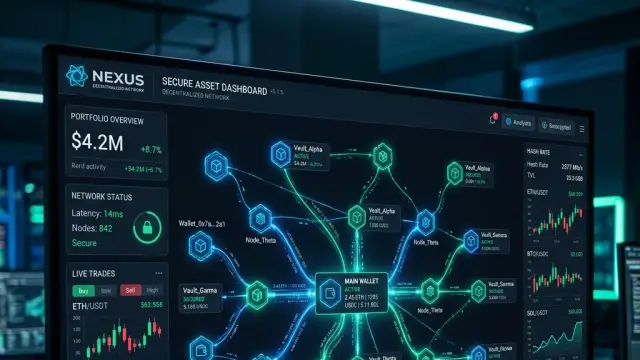
Advanced Strategy
Multi-Wallet Fleet Management for MEV Ops
Coordinate dozens of signing wallets from one FRB desktop cockpit — parallel nonce management, per-wallet budget caps, and non-custodial local keys.
Deep dives into dark pools, private relays, and atomic arbitrage. Curated for builders who ship code, not just speculation.
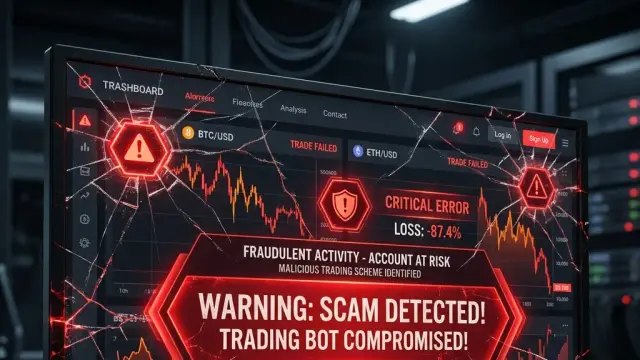
How Meme Coin Bots Drain Buyers: A Technical Breakdown If you lost money in a BSC meme coin — it probably wasn't bad luck. It was automation. Most retail investors assume meme coin
Coordinate dozens of signing wallets from one FRB desktop cockpit — parallel nonce management, per-wallet budget caps, and non-custodial local keys.

Sweep realized profits into a treasury wallet on schedule with FRB — threshold triggers, gas-aware batching, and fully non-custodial local signing.
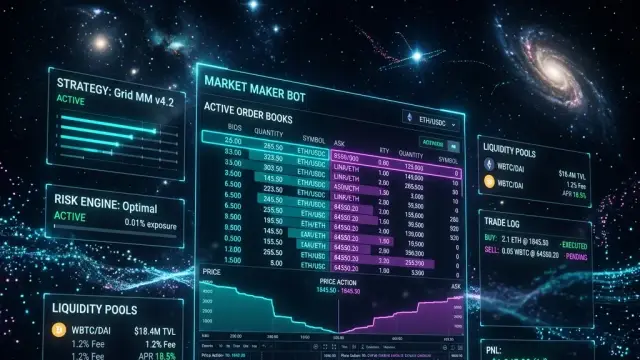
Automate LP entries and exits across EVM DEXs with simulation-first previews, slippage guards, and private bundle submission from your own machine.
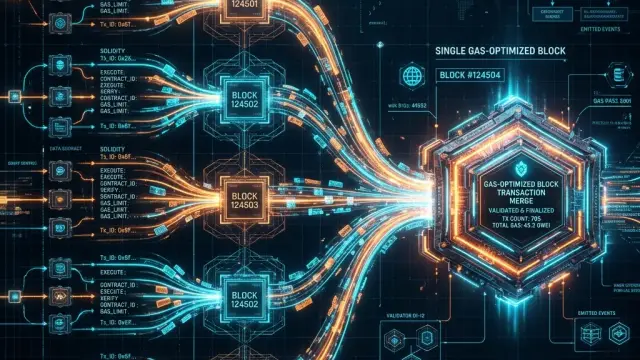
Fire multiple contract interactions in the same block window with FRB's concurrent engine — nonce isolation, gas controls, and dry-run checks.
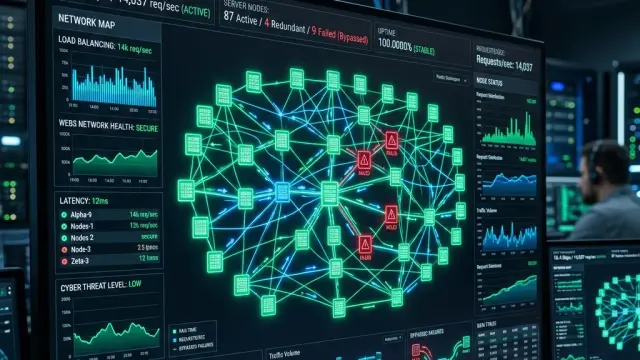
Keep every strategy online with FRB's built-in RPC load balancer: health-checked WSS endpoints, automatic failover, and latency-aware routing.
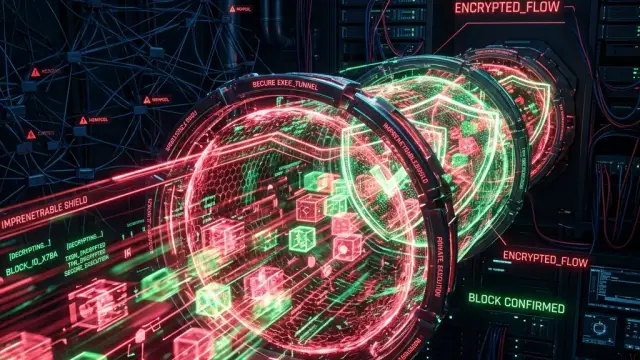
Route trades through Flashbots and Jito private bundles to reduce public-mempool exposure, with simulation-first previews before any live submission.

The illusion of profit — your MEV bot's raw on chain revenue looks impressive until you subtract gas costs, tip payments, failed bundle overhead, RPC fees, and the opportunity cost

The problem with MEV bots going silent — an MEV bot that stops submitting bundles doesn't throw errors at you. It just stops making money. Without monitoring, a stuck RPC connectio

Answer first — Crypto trading bots are legal in most major crypto markets in 2026, including the UK, US, EU, Singapore, UAE, Australia, and Canada. The consistent pattern across ju
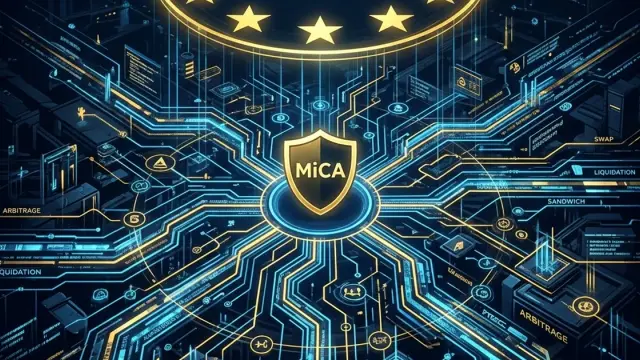
Answer first — The EU's Markets in Crypto Assets Regulation (MiCA), fully applicable since December 2024, does not regulate non custodial trading bots or MEV operators directly. Mi
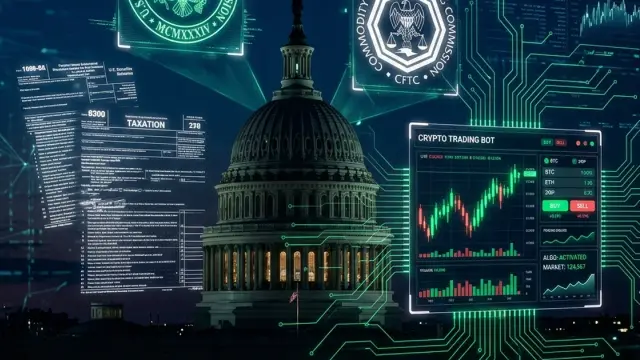
Answer first — Crypto trading bots are legal in the United States in 2026. Running a non custodial bot that trades your own assets using your own private keys does not require SEC

Answer first — Crypto trading bots are legal in the UK in 2026. The Financial Conduct Authority (FCA) regulates financial services and crypto asset service providers — not software
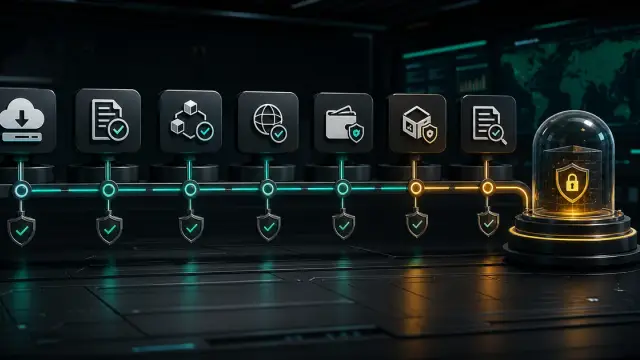
Answer first The first seven days with a MEV bot should be a controlled onboarding period: verify the build, separate wallets, configure limited settings, run simulation, review lo
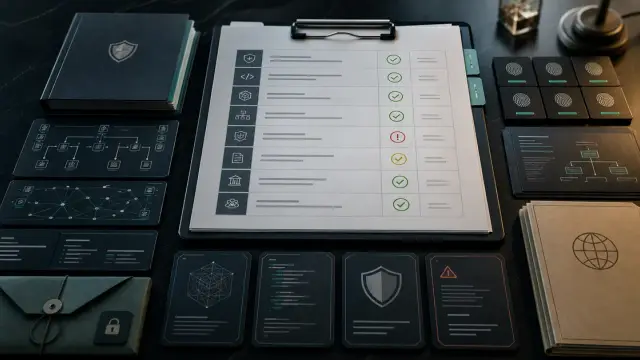
Answer first A MEV bot vendor should be evaluated like high risk trading infrastructure, not like a casual browser extension. Before using live capital, verify the custody model, v
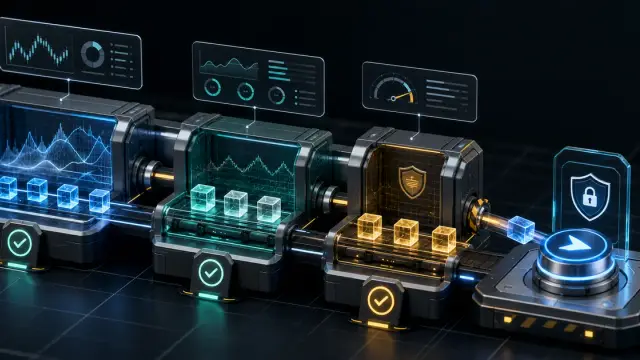
Answer first: Backtesting asks how an idea behaves on historical data. Paper trading observes current signals without sending a live transaction. Simulation evaluates a particular
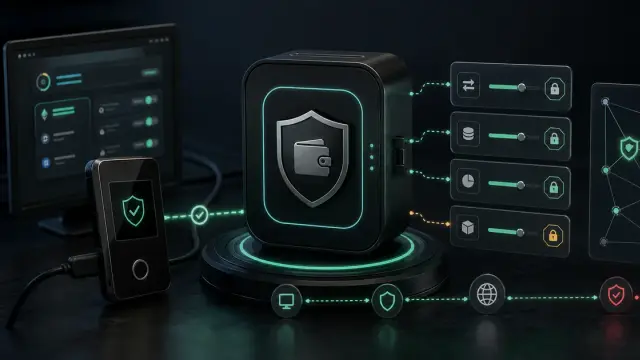
Answer first A crypto trading bot should never ask for your seed phrase, should not require your main holdings wallet, and should not need unlimited authority over every token you
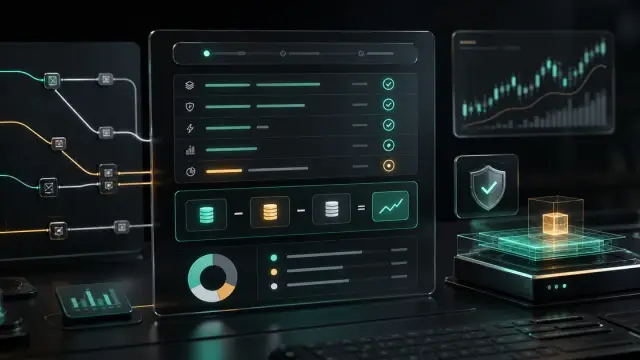
Answer first FRB pricing should be evaluated as a net execution model, not as a promise of returns. The user still controls the wallet, chooses the strategy, pays network costs, an

Answer first — In 2026, AI/ML adds meaningful edge to MEV bots in exactly four places: opportunity scoring (which mempool tx to act on), inclusion probability prediction (how much
Showing 12 of 112 guides
Maximize your edge by exploring the full FRB toolkit. From institutional-grade telemetry to ready-to-export strategy scripts.
Blog → App Bridge
Ready to deploy this strategy? Open the dashboard and monitor execution.
Whether you're verifying terminal security or launching your first bundle, the FRB journey starts here.
Secure Windows build. Verified via SHA-256 for maximum integrity.
Master the setup in 15 minutes. From wallet pairing to first bundle.
Monitor your Ops Pulse and manage transaction routes in real-time.