Are Telegram Trading Bots Safe? A Practical Security Review
**Answer first** — A Telegram trading bot is not safe or unsafe merely because it uses Telegram. The decisive questions are **who controls the wallet key, where transactions are si
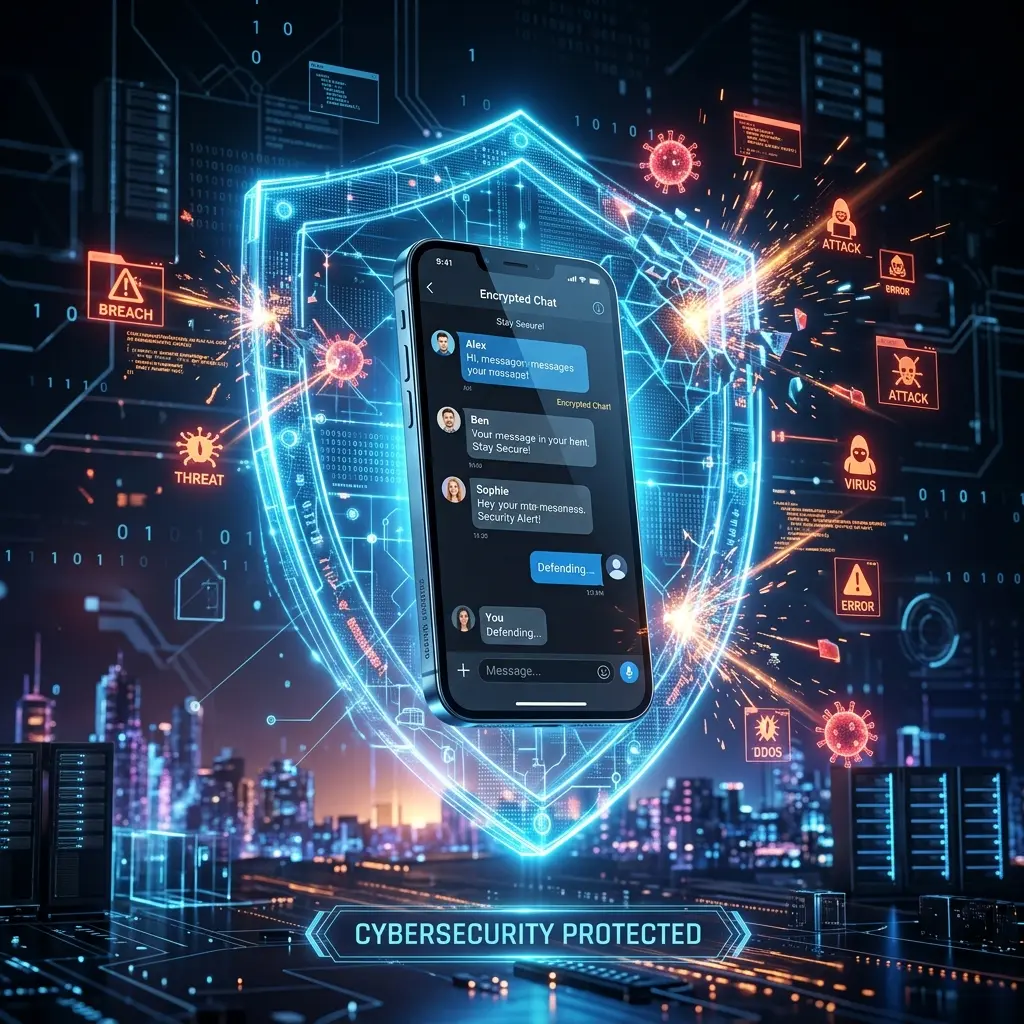
Answer first — A Telegram trading bot is not safe or unsafe merely because it uses Telegram. The decisive questions are who controls the wallet key, where transactions are signed, which permissions the bot receives, and what recovery path exists after a compromise. Treat any bot that can sign without your approval as a hot-wallet system. Use an isolated wallet, verify the official bot identity outside Telegram, limit permissions, test withdrawal, and keep only risk capital in the workflow.
Start With the Wallet Architecture
The chat interface does not reveal the security model. Two bots with similar menus can use very different architectures:
| Architecture | Who signs? | Main trust assumption | What to verify |
|---|---|---|---|
| Operator-controlled wallet | The bot operator's infrastructure | The operator protects keys and remains available | Custody terms, withdrawal controls, incident process |
| Imported key on remote infrastructure | A remote service | The service stores and uses the imported key safely | Key storage, encryption, deletion, access logs |
| Smart-account permissions | A contract or session key | Permission boundaries are correctly enforced | Spending limits, allowed contracts, expiry, revocation |
| User-confirmed wallet | The user's wallet | The interface constructs the intended transaction | Domain, calldata, token approvals, simulation |
| Local execution | Software on the user's device | The device and local software remain secure | Download origin, checksum, permissions, logs |
Do not infer custody from marketing words such as "non-custodial" or "secure." Ask how signing actually works.
The Five Questions That Decide the Risk
1. Who can produce a valid signature?
If the service can trade while your wallet is disconnected, it probably has a key, session key, or contract permission that enables execution. Identify that authority precisely.
2. Can the permission be limited?
A safer design limits the allowed token, contract, amount, network, and duration. An unlimited token approval or unrestricted session key creates a larger failure radius than a narrowly scoped permission.
3. Can you revoke access without the bot?
You should be able to revoke token approvals, disable a session key, or move assets using your own wallet. A withdrawal button inside the same bot is not an independent recovery path.
4. How do you verify the official identity?
Telegram usernames can be imitated. Confirm the exact bot handle through the vendor's canonical website and another official channel. Never trust a handle sent by an unsolicited account.
5. What evidence supports the security claims?
Useful evidence includes published contract addresses, audit scope, release checksums, clear custody documentation, permission details, and a dated incident-response policy. A badge or a statement that a system is "audited" is not enough without the report and scope.
Threat Model
Account and bot impersonation
A clone can reuse a name, avatar, and menu. Verify identity before opening links, connecting a wallet, or sending funds.
Secret exposure
Seed phrases and private keys are bearer credentials. Anyone who obtains them can act as the wallet. Telegram's own bot documentation also treats bot tokens as secrets that provide control of a bot; wallet keys require at least the same discipline.
Excessive token approvals
Even if the wallet key remains with the user, a malicious or compromised contract can use an excessive allowance. Review approval scope and revoke permissions that are no longer needed.
Remote signing compromise
When signing authority lives on a server, an infrastructure breach or insider action can affect every wallet under that authority. The user cannot independently inspect the server's actual controls.
Malicious transaction construction
A user-confirmed signature is useful only if the user can understand what is being signed. Human-readable summaries, simulation, contract allowlists, and clear approval values reduce this risk.
Availability and recovery
If the bot disappears, is blocked, or stops responding, users still need a path to recover assets and revoke permissions. Document that path before funding the workflow.
Pre-Deposit Security Checklist
- Open the vendor's canonical website manually and obtain the bot link there.
- Check whether the bot creates a wallet, imports a key, requests a connection, or uses a session key.
- Never send a seed phrase or private key through chat.
- Use a fresh wallet that is not connected to long-term holdings.
- Review token approvals and contract permissions before signing.
- Prefer explicit limits for amount, token, contract, chain, and expiration.
- Test the full exit path, including withdrawal and permission revocation.
- Record official contract addresses and support channels before funding.
- Enable Telegram account protections, including a strong password and two-step verification.
- Stop if the bot requests urgent action, disables verification, or changes its official handle without confirmation.
Comparing Telegram, Browser, and Local Execution
| Property | Telegram workflow | Browser wallet workflow | Local execution workflow |
|---|---|---|---|
| Primary interface | Chat | Web application | Desktop application |
| Possible signing models | Remote, delegated, or user-confirmed | Usually user-confirmed or delegated | Usually local or hardware-assisted |
| Impersonation surface | Bot and channel handles | Domains and extensions | Download source and update channel |
| Independent recovery | Depends on custody model | Usually wallet-controlled | Usually wallet-controlled |
| Best fit | Convenience after architecture review | Interactive transactions and approval review | Repeated workflows requiring local controls |
The interface is not the security boundary. The signing authority and recovery path are.
Where FRB Fits
FRB Agent is a Windows application designed for non-custodial, local execution. Private keys remain in the user's local environment, and the workflow emphasizes simulation before submission and private-bundle routing where supported. Users should still protect the Windows device, verify the published release checksum, use a dedicated wallet, and apply explicit risk limits.
Use the Trust Center, Security documentation, and installation guide to verify the current release and operating model. Local execution reduces dependence on a remote custodian, but it does not remove smart-contract, market, endpoint, or device risk.
FAQ
Is every Telegram trading bot custodial?
No. Some control wallets remotely, some use smart-account permissions, and some require wallet confirmation. Verify the actual signing path rather than relying on the chat interface or a label.
Is a user-confirmed signature automatically safe?
No. A signature can authorize an unintended swap, unlimited approval, or malicious contract call. Inspect the destination, permission scope, and simulation result.
What is the safest amount to keep in a bot?
There is no universal number. Limit exposure to an amount you can afford to lose, based on the architecture, permissions, recovery path, and your own risk policy.
What should I do if I suspect compromise?
Stop using the bot, revoke relevant approvals and session keys from an independent wallet interface, move remaining assets to a clean wallet when appropriate, preserve transaction records, and contact the verified support channel.
Primary References
- Telegram Bot API tutorial: bot-token security
- Telegram: Bots documentation
- OWASP Secrets Management Cheat Sheet
- OWASP Transaction Authorization Cheat Sheet
This article is educational and does not certify or endorse a specific third-party bot.
Related Articles
Further reading & tools
Discussion
No notes yet. Add the first observation, or share the link with your team on X (@MCFRB).