Кроссчейн-арбитраж MEV 2026: intents, мосты и риск
**Краткий ответ** — кроссчейн-арбитраж не является единой стратегией. **Intent solving** использует заранее размещенный инвентарь, чтобы выполнить запрос пользователя в целевой сет
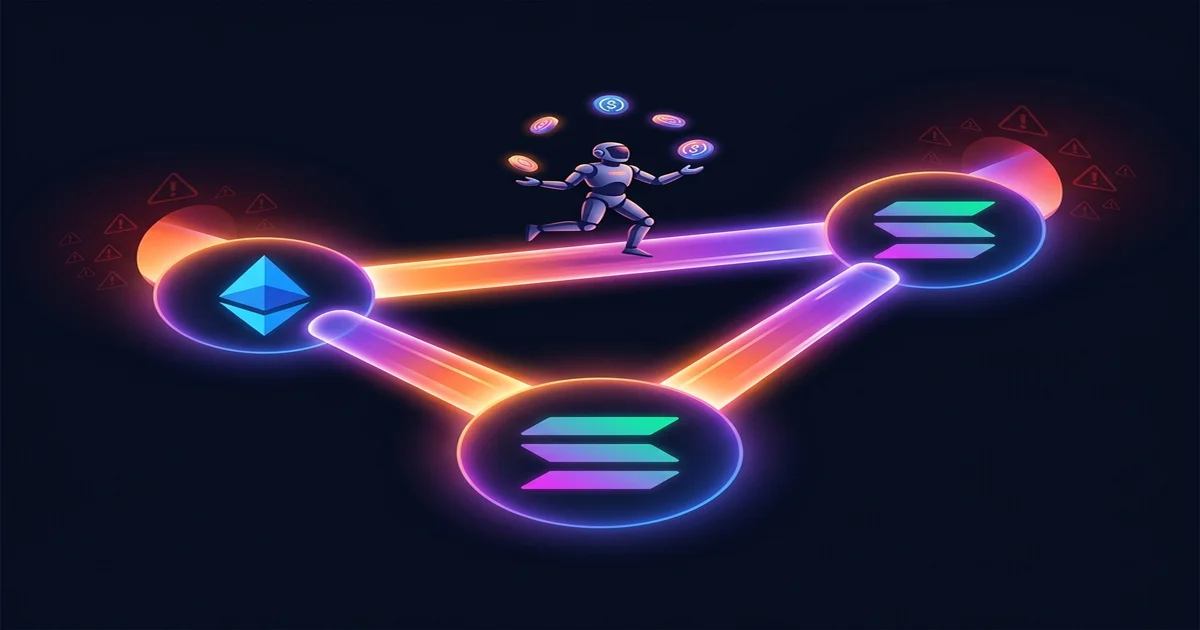
Краткий ответ — кроссчейн-арбитраж не является единой стратегией. Intent solving использует заранее размещенный инвентарь, чтобы выполнить запрос пользователя в целевой сети, после чего solver получает расчет. Мостовой арбитраж перемещает актив через мост и несет ценовой риск, риск finality и самого моста. Сравнивать следует не прогноз доходности, а полный журнал каждой попытки: стоимость исполнения, gas, комиссии, ребалансировку, финансирование инвентаря, сбои и расчетный риск.
Две архитектуры
| Параметр | Intent solver | Мостовой арбитраж |
|---|---|---|
| Действие пользователя | Формулирует результат; solvers конкурируют | Оператор сам запускает переводы и сделки |
| Ликвидность в целевой сети | Заранее размещена solver | Приходит через маршрут моста |
| Основное преимущество | Котировка, размещение инвентаря, надежность | Обнаружение, исполнение, оценка риска |
| Главная экспозиция | Дисбаланс инвентаря и задержка выплаты | Цена, finality, отказ моста или маршрута |
| Расчет | Проверка и выплата по правилам протокола | Сообщение и актив по правилам моста |
| Доказательства | Filled orders, выплаты, стоимость ребаланса | Перевод, целевая сделка, возврат, все комиссии |
Протоколы используют разные термины и правила. Нельзя считать этап атомарным, гарантированным или окончательным без проверки актуальной официальной документации.
Как работает intent solving
Упрощенный процесс:
- Пользователь запрашивает актив или результат в целевой сети.
- Solver выставляет котировку по правилам аукциона или сопоставления.
- Выбранный solver использует свой инвентарь в целевой сети.
- Протокол проверяет исполнение.
- Solver получает выплату по расчетному механизму протокола.
- Solver ребалансирует инвентарь между сетями.
Сам fill — лишь часть экономики. При направленном потоке заказов ребалансировка может стать крупнейшей операционной затратой. Solver может постоянно платить пользователям в одной сети, получать выплату в другой и потерять доступный инвентарь при положительном общем балансе.
Как работает мостовой арбитраж
Упрощенный процесс:
- Обнаружить разницу цен с учетом исполнимой глубины.
- Отправить транзакцию в исходной сети.
- Дождаться сообщения, доказательства или finality, требуемых мостом.
- Получить или выпустить актив в целевой сети.
- Выполнить целевую сделку.
- Ребалансировать или вернуть инвентарь.
За это время спред может закрыться или развернуться. Перевод может задержаться, маршрут назначения измениться, а защитный механизм моста приостановить работу. Это не эквивалент одной атомарной транзакции.
Журнал затрат
Используйте одну формулу:
чистый результат =
поступления в целевой сети
+ полученный расчет
- переданный исходный инвентарь
- gas в обеих сетях
- комиссии протокола, моста и LP
- slippage и price impact
- стоимость ребалансировки
- стоимость финансирования капитала
- стоимость сбоев и тайм-аутов
Для intent solver учитывайте заявки с котировкой без fill, задержанные fills и инвентарь, который не удалось ребалансировать по ожидаемой цене. Для мостового арбитража записывайте сбой исходной транзакции, задержку сообщения, изменение целевой котировки и стоимость возврата.
Контроль риска
Лимиты инвентаря
Задайте максимум по сети, токену, мосту и состоянию расчета. Общего баланса недостаточно: капитал в неправильной сети может быть недоступен.
Политика finality
Документируйте, какое состояние сети считается безопасным для каждого действия. Одно правило подтверждений не подходит одновременно Ethereum, optimistic rollup, сети с быстрой finality и внешнему мосту.
Allowlist маршрутов
Ограничьте контракты, токены, мосты, routers и целевые сети. Котировка не должна незаметно добавлять новый мост или wrapped token.
Срок котировки
Каждой котировке нужен срок действия и свежая проверка исполнимой глубины. Видимый mid-price не равен цене исполнения стратегии.
Circuit breakers
Останавливайте новые fills при задержке расчета, изменении статуса моста, превышении лимита инвентаря, устаревшем oracle или превышении стоимости ребаланса.
Независимый мониторинг
Наблюдайте за протоколом, транзакциями обеих сетей, сообщениями моста, инвентарем и выплатами независимо от клиента исполнения.
Воспроизводимая оценка
- Выберите один протокол и один маршрут.
- Запишите версию протокола и официальные адреса контрактов.
- Определите состояния fill и расчета.
- Сохраните котировку и исполнимую глубину в момент решения.
- Запишите исходные, целевые, расчетные и ребалансирующие транзакции.
- Отнесите каждую комиссию к вызвавшей ее попытке.
- Сохраните тайм-ауты и неудачные попытки.
- Укажите окно наблюдения и число возможностей.
- Разделите измеренные факты и допущения.
- Не превращайте результат одного маршрута в ожидаемую доходность.
Что поддерживает FRB
FRB Agent сейчас сосредоточен на поддерживаемых процессах исполнения внутри одной сети, включая предварительную симуляцию и приватные пакеты там, где они доступны. Продукт не заявляет себя производственным кроссчейн intent solver. Для solver нужны специфические котировки, управление инвентарем, сверка выплат и circuit breakers мостов.
Материал полезен пользователям FRB, потому что объясняет: видимая разница цен между сетями еще не является исполнимой возможностью.
FAQ
Intent solving атомарен?
Не следует так предполагать. Fill пользователя и выплата solver могут быть разными стадиями. Изучите модель расчета и споров конкретного протокола.
Какой мост самый быстрый?
Стабильного универсального ответа нет. Время зависит от маршрута, finality, ликвидности, relayer, модели безопасности и текущего состояния. Измеряйте точный маршрут.
Большой спред означает лучшую возможность?
Не обязательно. Причиной могут быть малая ликвидность, задержка моста, depeg wrapped-актива или маршрут, который нельзя безопасно завершить.
Один баланс кошелька покрывает все маршруты?
Обычно нет. Intent solving зависит от доступного инвентаря в целевых сетях. Отдельно учитывайте доступный, зарезервированный, нерассчитанный и ребалансируемый капитал.
Первичные источники
Похожие статьи
Дальнейшее чтение и инструменты
Обсуждение
Примечаний пока нет. Добавьте первое наблюдение или поделитесь ссылкой со своей командой на X (@MCFRB).