Базовое руководство MEV 2026:…
**Краткий ответ** — в 2026 году в MEV на Base будет преобладать перекрестный арбитраж DEX на Aerodrome Finance и Uniswap V3, а также ликвидация кредитов на Morpho и Moonwell. Секве
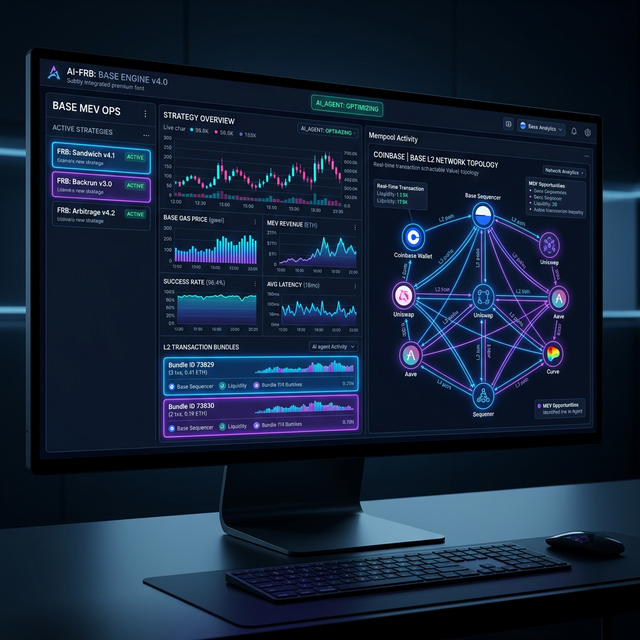
Краткий ответ — в 2026 году в MEV на Base будет преобладать перекрестный арбитраж DEX на Aerodrome Finance и Uniswap V3, а также ликвидация кредитов на Morpho и Moonwell. Секвенсор Base, управляемый Coinbase, означает отсутствие традиционного частного мемпула — порядок транзакций определяется приоритетной комиссией и временем прибытия. Для успеха требуется совместное размещение рядом с секвенсором (AWS us-east-1), быстрые конечные точки WSS и строгая логика подачи заявок на газ. Для систематических операторов Base предлагает меньшую маржу за сделку, чем Ethereum L1, но значительно более высокую частоту — при правильной настройке можно достичь более 400 успешных вилок в день.
Путь мастерства: мастерство уровня 2
- Задержка Arbitrum MEV
- Базовые стратегии MEV (текущие)
- Пособие по Optimism
- Мастерство Reth RPC
- Базовый сценарий: первый частный пакет
Базовая среда выполнения
Base — это стек Optimism L2, запущенный Coinbase в 2023 году. С 2026 года он использует единый централизованный секвенсор, управляемый Coinbase, для заказа транзакций, а Ethereum L1 — в качестве уровня расчетов и доступности данных.
Что это означает для MEV:
Нет традиционного частного мемпула — в отличие от Ethereum, где Flashbots обеспечивает четкий частный путь ретрансляции, Base не имеет эквивалентной системы частных пакетов от оператора секвенсора. Все транзакции заказываются публично по приоритетной комиссии и времени прибытия. Планируется, что это изменится по мере децентрализации Base — следите за обновлениями секвенсора в блоге Base.
Приоритетные газовые аукционы (PGA) являются основным механизмом размещения заказов: тот, кто заплатит наивысший приоритетный сбор, будет секвенирован первым. Это создает конкурентную среду торгов газа, а не модель атомного пакета на Ethereum L1.
Расположение секвенатора определяет вашу конкурентную позицию — инфраструктура секвенатора Coinbase работает в AWS us-east-1 (Северная Вирджиния). Совмещенный сервер в одном центре обработки данных имеет фундаментальное преимущество по задержке перед любым удаленным конкурентом. Это не мягкое преимущество; на уровне транзакции преимущество в 10 мс означает постоянную позицию первой последовательности в оспариваемых окнах.
Инструменты, эквивалентные Ethereum — Base использует стандартные смарт-контракты, совместимые с EVM. Ваши арбитражные контракты Solidity, конфигурация агента FRB и кошельки, совместимые с Ethereum, работают на Base без изменений, за исключением изменения газа и адреса контракта.
Лучшие базовые стратегии MEV (2026 г.)
1. Кросс-DEX-арбитраж: Aerodrome Finance
Аэродром является доминирующим DEX на базе по объему и ТВЛ. Он использует модель токеномики ve(3,3) с еженедельными опросами, определяющими стимулы к ликвидности. Это создает предсказуемые сдвиги в распределении ликвидности, которые создают возможности для арбитража в предсказуемое время.
Возможность: Изменение габаритного веса аэродрома происходит еженедельно при сбросе эпох. Ликвидность перемещается между пулами в течение нескольких часов после смены эпох, создавая расхождения в ценах между базовыми пулами Aerodrome и Uniswap V3 для одних и тех же пар.
Схема выполнения:
- Отслеживайте временную метку сброса эпохи аэродрома (каждый четверг в 00:00 UTC).
- Предварительный мониторинг позиций по топ-10 парам по объему за 2 часа до обнуления.
- Обнаружить расхождение цен выше 0,15% (после учета комиссий обоих пулов и стоимости газа)
- Отправьте высокоприоритетную комиссионную транзакцию на покупку на более дешевой площадке и продажу на более дорогой площадке одновременно.
Ключевые пары для мониторинга: ETH/USDC, WETH/cbETH, ETH/DAI, USDC/USDbC и ведущие пары veAERO по еженедельному объему взяток.
2. Ликвидации: Морфо и Мунвелл
Base имеет растущую кредитную экосистему, включающую Morpho (курируемые хранилища), Moonwell (кредитование на основе составных форков) и Aave V3. Возможности ликвидации возникают, когда стоимость залога падает быстрее, чем обновляются цены, создавая окна, в которых позиции технически недостаточно обеспечены, но еще не ликвидированы.
Механика:
- Стоимость залога ETH заемщика падает на 8% в период волатильности
- Оракул Морфо не обновлялся в течение 90 секунд (задержка пульса оракула)
- После обновления оракула коэффициент здоровья позиции падает ниже 1,0.
- Ваш бот отправляет транзакцию ликвидации в том же блоке, что и обновление оракула.
Почему время оракула имеет значение: Наиболее конкурентоспособные боты для ликвидации отслеживают события контрактов оракула напрямую, а не только потоки цен в сети. Когда транзакция обновления цены контракта оракула попадает в очередь секвенсора, ваша транзакция ликвидации должна находиться в том же блоке, расположенном сразу после обновления оракула с использованием комиссии с более высоким приоритетом.
Требования к капиталу для ликвидации на базе: Ликвидация Morpho требует от вас аванса предоставления капитала для погашения (для снижения требований к капиталу доступны срочные кредиты). Минимальное практическое распределение составляет 5 000–20 000 долларов США на позицию для получения значимых ликвидационных бонусов (обычно 5–10% от ликвидированной суммы).
3. Арбитраж с крючками Uniswap V4
Uniswap V4, выпущенный на Base в 2025 году, имеет архитектуру перехватчиков, которая позволяет выполнять пользовательскую логику до и после замены. Некоторые реализации перехватчиков создают возможные расхождения в ценах по сравнению со стандартными пулами V3 для тех же пар.
Схема: Когда логика перехвата пула V4 производит эффективные цены, отличные от соответствующего пула V3 (из-за динамических корректировок комиссий, скидок на основе тиков или ребалансировки, запускаемой перехватчиком), существует короткое арбитражное окно, которое стандартные боты сканирования цен пропускают, поскольку они не имитируют выполнение перехвата.
Это возможность с длинным хвостом — у большинства пар еще нет развертываний V4 со значимым TVL, и каждый контракт на привязку требует специальной логики моделирования. Но плотность конкуренции ниже по сравнению со стандартным вилкой V3, а это означает, что процент захвата маржи выше.
Конфигурация инфраструктуры для базы
Конечные точки WSS
Base работает на инфраструктуре, эквивалентной Ethereum. Применяется стандартная рекомендация по выбору Ethereum WSS с дополнительным ограничением: ваша конечная точка должна иметь низкую задержку для инфраструктуры секвенсора Coinbase в us-east-1.
Используйте WSS Latency Tester для тестирования:
- Целевая задержка P95: менее 160 мс для конкурентного исполнения.
- Джиттер: менее 20 мс — при быстром секвенировании Base дисперсия важнее абсолютной задержки.
- Ключевые поставщики: Alchemy (базовый уровень), QuickNode (базовый выделенный узел) или автономный базовый узел (стек Optimism), расположенный в us-east-1.
Конфигурация агента FRB для базы
- В панели управления FRB переключите целевую сеть на
Base(Настройки → Сети). - Вставьте выделенный базовый URL-адрес WSS.
- В разделе «Стратегия газа» выберите режим Агрессивная последовательность — предназначенный для сред L2 с одним секвенсором, где PGA является механизмом упорядочения.
- Установите для
MaxGasGweiзначение 110 % от текущей базовой платы сети в качестве динамического потолка. - Настройте бюджеты сеансов для каждой стратегии, прежде чем включать динамическое выполнение.
Стратегия торгов по газу
На Base секвенсор заказывает по действующей цене на газ (базовая комиссия + плата за приоритет). Ваша ставка должна быть достаточно высокой, чтобы выиграть нужную вам позицию по последовательности, не переплачивая за возможности, где скорость менее важна.
Для ликвидации (критичной к скорости): Ставка должна соответствовать 95-му процентилю недавних успешных транзакций ликвидации. Одна пропущенная ликвидация может стоить дороже, чем переплата за газ от 100 успешных.
Для арбитража DEX (конкурентная задержка): Ставка на уровне 75-го процентиля. Арбитражная маржа дает больше возможностей для снижения расходов на газ, поскольку вы конкурируете с совместным размещением, а не с чистым уровнем ставок.
Протокол Канарского запуска
Прежде чем инвестировать весь капитал в базовые стратегии, выполните следующую последовательность действий:
День 0: Установите FRB, проверьте хэш установщика (см. /install), подключите один базовый узел WSS, настройте оповещения Ops Pulse.
День 1: Только моделирование. Позвольте механизму моделирования FRB проработать целевую стратегию в течение 24 часов и проанализировать долю синтетических включений и прогнозируемый PnL.
День 2: Canary live — 10 % от запланированного распределения, ограничено одной парой с наивысшей степенью достоверности, выявленной в ходе моделирования.
Дни 3–5: Review Ops Pulse — целевой уровень включения >70 %, целевой уровень возврата <15 %. Если метрики чистые, увеличьте распределение до 25 %.
Неделя 2+: Постепенная шкала с документально подтвержденным утверждением на каждые 25 %.
Полный контрольный список и шаблоны отчетов см. в Base Playbook.
Предстоящие изменения: базовая децентрализация
Coinbase публично взяла на себя обязательство децентрализовать секвенсор Base. Когда будут запущены модели мультисеквенсора или секвенатора сообщества, динамика MEV изменится — может стать доступной частная пакетная инфраструктура, подобная Ethereum Flashbots, что фундаментально изменит оптимальное сочетание стратегий.
Следите за обновлениями в блоге Base и блоге FRB, когда объявляются изменения в архитектуре секвенсора. Текущий подход, ориентированный на PGA, возможно, потребуется дополнить стратегиями подачи пакетов, как только инфраструктура будет создана.
Связанные ресурсы
- Руководство по базовой экосистеме — маршрутизация для конкретной цепочки, конфигурация релея и примечания о соответствии.
- Chain MEV Hub — матрица сравнения всех поддерживаемых цепочек.
- Руководство по рентабельности и газовому бюджету — ограничения по размерам для базовых стратегий
- Попробуйте демо-версию EVM — живая симуляция мемпула на Ethereum (базовая симуляция доступна в предстоящем выпуске FRB)
Похожие статьи
Дальнейшее чтение и инструменты
Обсуждение
Примечаний пока нет. Добавьте первое наблюдение или поделитесь ссылкой со своей командой на X (@MCFRB).