Как читать мемпул: практическое руководство…
**Краткий ответ**. Чтение мемпула представляет собой сопоставление с шаблоном транзакций, которые еще не были включены. В 2026 году в публичном мемпуле Ethereum в основном доминиру
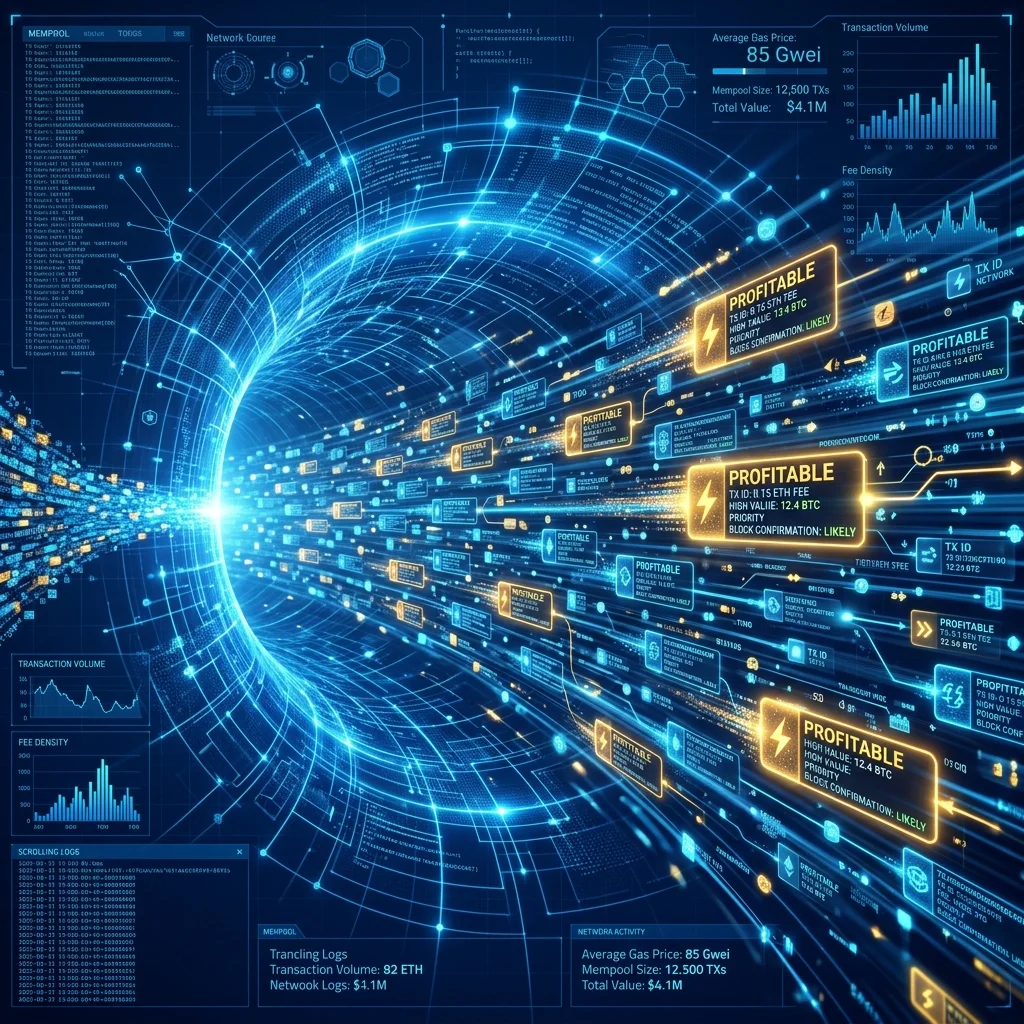
Краткий ответ. Чтение мемпула представляет собой сопоставление с шаблоном транзакций, которые еще не были включены. В 2026 году в публичном мемпуле Ethereum в основном доминируют спам и ложные сообщения, но для большинства L2 он по-прежнему остается полезным источником сигналов. Пять шаблонов, которые стоит научиться распознавать с первого взгляда: крупные свопы, многопереходные вызовы маршрутизатора, пакеты обновлений оракула, настройки для триггера ликвидации и несбалансированные минты ликвидности. Как только вы их увидите, возможности MEV станут очевидны. До тех пор данные мемпула — это просто шум.
Если вы еще не читали Что такое MEV, начните с этого.
Что такое мемпул на самом деле
Пул неподтвержденных подписанных транзакций, транслируемых пользователями в сеть и ожидающих включения в блок. Каждая транзакция имеет:
from,to,valuedata(данные вызова — закодированный вызов функции и аргументы)gasLimit,gasPrice/maxFeePerGasnonce
В 2026 году слово «мемпул» употребляется во множественном числе:
- Публичный мемпул (по умолчанию Geth, Reth, Erigon, Nethermind) — любой может подписаться через
eth_subscribe('newPendingTransactions'). - Приватные мемпулы — Flashbots Protect, MEV-Share, пулы, доступные только builder'ам. Не видны публичному WSS.
- Очереди секвенсора (L2) — варьируются; некоторые публикуют, некоторые нет.
Большинство розничных поисковиков читают публичный мемпул. Большая часть институционального потока перешла в приватный сегмент. Эта асимметрия определяет то, что вы увидите.
Настройка потока мемпула только для чтения
Минимальная жизнеспособная настройка:
- Конечная точка WSS с подпиской
pendingTransactions. См. Лучшие конечные точки WSS по цепочкам. - Декодер. Либо ethers.js с поиском ABI, либо размещенный декодер, такой как Blocknative.
- Фильтр. Большинство ожидающих передачи представляют собой шум.
Пример подписки (эфиры v6):
js
const ws = new WebSocketProvider(WSS_URL);
ws.on('pending', async (txHash) => {
const tx = await ws.getTransaction(txHash);
if (!tx) return;
// filter and decode here
});
Ожидайте 50–500 ожидающих транзакций в секунду в основной сети Ethereum на пике. Потоковая передача в порядке; хранить их все — нет.
Пять моделей, которые стоит изучить
1. Большие свопы (самый простой сигнал)
Ожидаемый вызов маршрутизатора Uniswap стоимостью в миллионы долларов является канонической целью MEV. Прочитайте данные вызова, чтобы извлечь:
- Ввод токена + сумма в
- Выходной токен + сумма вывода (минимум)
- Допуск проскальзывания
Если проскальзывание > 1% при многомиллионном свопе, обычно возникает дисбаланс, который можно преодолеть. См. Backrun против сэндвич-стратегии.
2. Вызовы многопереходного маршрутизатора
Свопы, направляемые через 3+ пула, обычно создают временный дисбаланс в промежуточных пулах. Декодируйте маршрут; проверьте промежуточные пулы на наличие возможностей для арбитража после исполнения.
3. Пакеты обновлений Oracle
Транзакции обновления цен Chainlink поступают в кластеры перед ликвидацией. Если вы видите обновление оракула + немедленный вызов Aave/Morpho в том же блоке, начинается ликвидация. Знание времени обновления Oracle — это половина стратегии ликвидации.
4. Схема ликвидации-триггера
Конкретные шаблоны данных вызова для позиций, отвечающих критериям ликвидации. В Aave v3 найдите селектор liquidationCall(...) 0x00a718a9. Отслеживание фактора здоровья позиции вне сети — это то, что подскажет вам, какие позиции вот-вот перевернутся.
5. Несбалансированные минты / burns ликвидности
Транзакции добавления ликвидности, в которых соотношение токенов не соответствует рыночному, сигнализируют о формирующемся ценовом разрыве. Займите позицию на той стороне, которая скоро станет дешевле.
Что такое шум
Мемпул в основном состоит из шума:
- Спам с неудачной передачей (nonce-конфликты, недостаточный баланс) — игнорировать
- Транзакции утверждения (
approve()) — бесполезны напрямую. - Самостоятельные переводы между своими кошельками — игнорировать
- Переводы ERC-20 на сумму менее 1 тыс. долларов США — обычно неактуальны
- Дубликаты с защитой от повторного воспроизведения — учитывайте один раз
Фильтруйте агрессивно. Хороший фильтр сокращает пожарный шланг до ~5% входного сигнала.
Почему мемпул менее полезен в 2026 году
Три структурных изменения с 2023 года:
- Частный поток заказов. Большинство крупных розничных свопов теперь по умолчанию осуществляются через Flashbots Protect или MEV-Share в основных кошельках (MetaMask, Rabby). Они никогда не попадали в публичный мемпул.
- Скрытый спам в мемпуле. Опытные злоумышленники транслируют ложные транзакции, чтобы сбить с толку наивных поисковиков. Реагируя на каждый «крупный своп» без симуляции, вы сами рискуете попасть в сэндвич.
- Асимметрия секвенсора L2. В Base/Arbitrum секвенсор первым видит очередь. К тому времени, когда передача попадает в общедоступный WSS, секвенсор уже заказал ее.
Таким образом, публичный мемпул является вторичным источником сигнала в 2026 году. Первичный сигнал:
- Прямой секвенсор WSS, если доступен
- Приватные потоки от builder'ов/релеев (платно)
- Состояние в цепочке (каждый блок)
Чтение данных вызовов: навык, который складывается
Каждая значимая передача мемпула имеет данные вызова. Научитесь его читать. Инструменты, которые декодируют автоматически:
ethers.Interfaceс правильным ABI- Конечная точка декодирования Etherscan
- Tenderly transaction inspector
cast 4byte-decodeиз Foundry
Вручную:
0x38ed1739 — swapExactTokensForTokens
0x18cbafe5 — swapExactTokensForETH
0x7ff36ab5 — swapExactETHForTokens
0xb6f9de95 — swapExactETHForTokensSupportingFeeOnTransferTokens
0x00a718a9 — liquidationCall (Aave v3)
0x52aaef71 — liquidate (Compound)
Запомните 10 лучших селекторов для любых сетей, в которых вы работаете.
Создание ментального фильтра
Через 2–3 недели просмотра вы начнете подсознательно замечать закономерности:
- «Это крупный своп USDC→WETH с комиссией 5 б.п. на Uniswap V3»
- «Этот разрыв в nonce означает, что есть еще одна транзакция в ожидании»
- «Эти чаевые за газ в 3 раза выше медианы — они хотят быстрого включения»
Именно эта интуиция отличает эффективных поисковиков от людей, использующих готовые боты. Агент FRB автоматизирует выполнение, но при этом получает огромную выгоду от операторов, которые могут читать поток, когда происходит что-то странное.
Рекомендуемая ежедневная практика
В течение первых 4 недель эксплуатации MEV:
- Смотрите отфильтрованный поток мемпула 30 минут в день.
- Выберите 3 крупных отложенных свопа; предсказать результат до подтверждения блока.
- Сравните с реальным блоком.
- Отслеживайте точность своих прогнозов.
Примерно через 80 часов практики вы станете полезным оператором. Нет короткого пути.
Мемпул на Solana
В Solana нет традиционного мемпула — транзакции идут напрямую лидеру. Ближайшим эквивалентом является мониторинг:
- Очереди валидаторов (через Jito API)
- Передача транзакций до лидера через gulf stream (ограниченная публичная видимость)
- Поблочные изменения состояния (постфактум, но быстро)
О потоке Solana см. Solana MEV против Ethereum MEV.
Часто задаваемые вопросы
Могу ли я заработать деньги, просто просматривая мемпул вручную?
Почти никогда. К тому времени, когда человек увидит передачу и начнет действовать, следующий блок будет подтвержден. Чтение мемпула предназначено для настройки стратегий, а не для выполнения.
Законно ли читать мемпул?
Да. Публичный мемпул по определению является общедоступным. Чтение его не отличается от чтения состояния публичного блокчейна.
Нужен ли мне платный провайдер WSS?
Для обучения нет — публичные RPC работают. Для производства — да — публичные провайдеры агрессивно ограничивают количество подписок на ожидающие транзакции.
Исчезнет ли мемпул вместе с потоком частных заказов?
На L1, возможно. С 2022 года объем общедоступного мемпула упал более чем на 40%. На уровне L2 модели использования различаются; у некоторых L2 никогда не было общедоступного мемпула.
Показывает ли мне агент FRB мемпул?
Да, в представлении «Mempool Tape» на панели управления. Отфильтровано по релевантным транзакциям для ваших активированных стратегий.
Связанное чтение
- Фильтры и задержка сканирования мемпула
- Частный пакет против публичного мемпула
- Лучшие конечные точки WSS по цепочкам
- Что такое MEV — Практическое руководство
- Описание пакетов Flashbots
Эта статья носит образовательный характер. Чтение мемпула — это навык, который требует недель практики. Не финансовый совет.
Похожие статьи
Дальнейшее чтение и инструменты
Обсуждение
Примечаний пока нет. Добавьте первое наблюдение или поделитесь ссылкой со своей командой на X (@MCFRB).