Почему MEV вызывает споры? Честный взгляд на…
**Краткий ответ**. MEV вызывает споры, поскольку **тот же механизм, который обеспечивает полезное поведение рынка (арбитраж, ликвидация), также допускает хищническое поведение (сэн
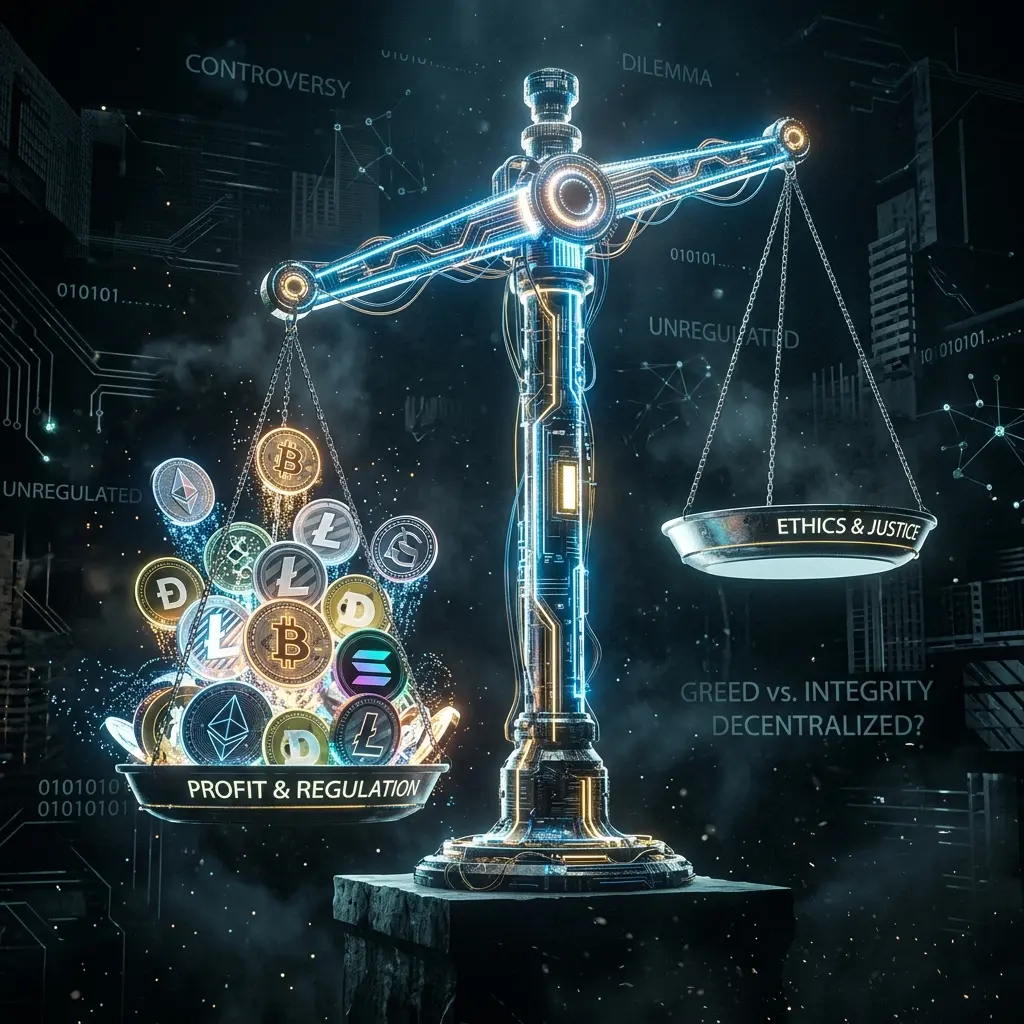
Краткий ответ. MEV вызывает споры, поскольку тот же механизм, который обеспечивает полезное поведение рынка (арбитраж, ликвидация), также допускает хищническое поведение (сэндвич-атаки на розничных пользователей). Критики утверждают, что MEV — это скрытый налог для каждого трейдера DEX, который концентрирует власть в руках опытных операторов ботов. Защитники утверждают, что MEV неизбежен в любом публичном блокчейне и что законные стратегии MEV активно повышают эффективность рынка. Консенсус 2026 года: с законным MEV все в порядке; Нацеливание на розничные потоки с помощью сэндвич-атак все чаще рассматривается как нарушение этической границы.
Дело критиков
1. MEV — это скрытый налог на розничную торговлю
Каждый раз, когда вы обмениваетесь на Uniswap с проскальзыванием по умолчанию, вы можете заплатить невидимую цену — сэндвич-бот опережает вашу сделку, а затем сбрасывает ее, фиксируя проскальзывание. По оценкам, совокупные потери MEV в розничной торговле с 2022 года составят 500–1,2 млрд долларов США. Большинство пользователей никогда не видят его детализированным.
Воспользуйтесь нашим Калькулятором сэндвич-потерь, чтобы оценить свой личный риск.
2. Он концентрирует силу
Для реализации прибыльных стратегий MEV в 2026 году необходимо:
- Совмещенная инфраструктура (малая задержка)
- Пользовательские конвейеры моделирования
- Капитал (минимум 5 тысяч долларов, более 50 тысяч долларов для участия в JIT)
- Инженерный талант
Это дает преимущество институциональным службам перед отдельными пользователями. Критики утверждают, что это противоречит «недопустимому» обещанию криптовалюты.
3. Это поощряет цензуру
Билдери теоретически могут исключать транзакции по причинам, не связанным с MEV (соблюдение санкций, OFAC). Экономика MEV-Boost создает вектор цензуры, которого не существовало до слияния.
4. Это ухудшает UX
Для защиты от MEV обычные пользователи должны:
- Используйте специализированные RPC (Flashbots Protect)
- Установите плотные противоскользящие колпачки
- Избегайте торговли крупными суммами
Это добавляет проблем, на которые средний пользователь не подписывается.
Дело защитников
1. Арбитраж является чистым позитивом
Кросс-DEX арбитраж исправляет расхождения в ценах. Без арбитражеров ETH мог бы торговаться по цене $3000 на Uniswap и $3200 на Curve в течение нескольких часов. С ними разрыв сокращается за секунды. Каждый LP и каждый трейдер выигрывает от честных цен.
То же самое относится и к ликвидациям — они сохраняют платежеспособность рынков кредитования DeFi. Без оперативной ликвидации у Aave/Compound накопились бы безнадежные долги.
2. MEV неизбежен
Пока:
- Транзакции ждут в общедоступном мемпуле, и
- Производители блоков выбирают порядок заказа
…значение заказа может быть извлечено. Вы не можете устранить его в публичном блокчейне. Вы можете только перераспределять его (Flashbots Protect, MEV-Share) или ухудшить (никакой защиты вообще). Альтернативы «без MEV» не существует.
3. MEV субсидирует валидаторов
Вознаграждения валидатора на Ethereum после слияния получаются за выдачу + чаевые + платежи MEV-Boost. Доходы MEV увеличивают бюджет безопасности без увеличения инфляции. Более низкий MEV = более низкие вознаграждения валидатора = либо более низкая безопасность, либо более высокие комиссии для пользователей.
4. Плохое MEV ≠ Все MEV
Сэндвич-атаки на розничную торговлю — это плохо. Кросс-DEX-арбитраж между двумя профессиональными маркет-мейкерами — это нормально. Смешивать их вместе интеллектуально лениво. Правильный вопрос: «Какие виды MEV нам следует препятствовать?» а не «должен ли MEV существовать?»
Куда движется консенсус 2026 года
| Поведение | 2024 просмотр | 2026 просмотр |
|---|---|---|
| Кросс-DEX арбитраж | Приемлемо | Приемлемо |
| Ликвидации | Приемлемо | Приемлемо |
| Точная ликвидность | Обсуждается | В основном приемлемо |
| Откаты от китовой торговли | Приемлемо | Приемлемо |
| Сэндвич-атаки против профессиональных маркет-мейкеров | Приемлемо | Приемлемо |
| Сэндвич-атаки на розничные потоки | Смешанный | Все чаще считается хищническим |
| Обобщенное опережение всех свопов | Хищный | Хищный |
| Строительная цензура | Относительно | Относительно |
Такие инструменты, как Flashbots Protect, MEV-Share и CoW Swap, упростили для пользователей отказ от изолированности. Норма смещается в сторону "защиты розничной торговли, разрешения профессионального MEV".
Как выглядит позиция агента FRB
Дизайн агента FRB учитывает точку зрения защитников на законность MEV (арбитраж, ликвидация, JIT, возврат средств), в то же время явно отвергая хищнический MEV (сэндвич-атаки на розничную торговлю). Конкретно:
- ✅ Кросс-DEX арбитраж — поддерживается, поощряется
- ✅ Ликвидации — поддерживается
- ✅ Ликвидность JIT — поддерживается
- ✅ Бэкраны — поддерживается
- ❌ Сэндвич-атаки на розничные потоки — отключены политикой
Это не юридическая позиция — она снижает риск гражданской ответственности, поскольку в США и ЕС возникают коллективные иски против атак типа «сэндвич». Подробную информацию о юрисдикции можно найти в нашем центре регулирования.
MEV уходит?
Нет. Многочисленные исследовательские усилия (Flashbots SUAVE, секвенирование для конкретных приложений) направлены на перераспределение MEV более справедливо, а не на его устранение. Траектория:
- 2022–2024 гг.: MEV в основном извлекается из публичных мемпулов, большая часть затрат приходится на розничную торговлю.
- 2024–2026: частные пакеты + спред MEV-Share, розничная торговля может отказаться от участия
- 2026+: секвенирование для конкретных приложений (CoW, UniswapX), аукционы потока заказов, зашифрованные мемпулы.
Каждый шаг делает MEV менее хищническим, но не устраняет его.
Честный взгляд
Если вы торгуете на DEX:
- Вы платите некоторую стоимость MEV, знаете вы об этом или нет.
- Вы можете уменьшить его: используйте защищенные RPC, устанавливайте узкое проскальзывание, избегайте огромных сделок на неликвидных пулах.
Если вы запустите бота MEV:
- Придерживайтесь арбитража/ликвидаций/отказа; сэндвич-атаки сопряжены с юридическим и репутационным риском
- См. Являются ли боты MEV законными в 2026 году?
Что следует делать отдельным операторам
Это противоречие не делает MEV незаконным — оно делает определенные стратегии более рискованными с юридической и репутационной точки зрения. Практическое руководство для операторов в 2026 году:
Если вы занимаетесь арбитражем или ликвидацией: Вы однозначно занимаете легитимную сторону в дебатах. Эти стратегии улучшают обнаружение цен и работоспособность протоколов. Никакая серьезная нормативная интерпретация не направлена против них. Продолжайте работать, документируйте свои стратегии и поддерживайте чистоту практики KYC/AML на случай возникновения вопросов.
Если вы проводите бэкраны в крупных сделках: В целом это нормально. Контрагент — это опытный кит, проскальзывание которого вы частично фиксируете постфактум. Регулирующее внимание минимально. Агент FRB поддерживает это изначально через пакеты Jito (Solana) и частные пакеты Flashbots (Ethereum).
Если вам хочется добавить сэндвич-логику: Вот строка. Правовые теории США и ЕС все чаще характеризуют сэндвич-атаки, направленные на розничную торговлю, как недобросовестную торговую практику – не преступное манипулирование рынком, а территорию гражданских исков. Что еще более важно, это вредно для экосистемы. Агент FRB специально отключает это; операторам, которым это нужно, придется искать в другом месте.
Инфраструктура независимо от стратегии: Используйте частные ретрансляторы. Даже легитимные стратегии выигрывают от частной ретрансляционной маршрутизации — нулевой газ при сбойных пакетах, отсутствие публичного доступа к мемпулу, более высокие показатели включения. Это ставки за столом в 2026 году, а не расширенная конфигурация.
Формирующийся ландшафт регулирования
Регулирующий статус MEV в 2026 году будет зависеть от юрисдикции и стратегии. В США не существует прямого законодательства, касающегося MEV, но юрисдикция SEC и CFTC над рынками криптовалют расширяется. Кросс-DEX-арбитраж обычно рассматривается как эквивалент традиционного маркет-мейкерского арбитража — он хорошо понятен и в настоящее время не является целевым. Сэндвич-атаки на розничные потоки относятся к другой категории: теории групповых исков в США и ЕС развиваются вокруг опережающих характеристик, и, хотя уголовные обвинения не материализовались, вероятность гражданской ответственности для операторов, применяющих систематические стратегии розничной торговли, растет.
Управление финансового надзора Великобритании выпустило руководство по алгоритмической торговле, которое затрагивает модели, связанные с MEV. Операторам, осуществляющим значительные объемы сэндвичей в условиях, регулируемых Великобританией, следует проконсультироваться с юристом.
Более широкая траектория регулирования заключается не в «запрете MEV», а в «регулировании хищнического MEV, оставляя в покое арбитраж и ликвидацию». Это различие напрямую связано с этическим разделением, описанным выше. Операторы, которые придерживаются арбитража, возврата средств и ликвидации, строят свою деятельность на прочной основе как с этической, так и с юридической точки зрения. Те, кто придерживается стратегии сэндвича, ориентированной на розничную торговлю, берут на себя растущие нормативные риски наряду с этической критикой.
Выбор агента FRB по отключению сэндвич-стратегий с помощью политики отражает как этическую позицию, так и дальновидное управление регуляторными рисками. Законный MEV — арбитраж, ликвидация, возврат средств — по состоянию на 2026 год не представляет серьезной регулятивной угрозы ни в одной крупной юрисдикции. Споры вокруг MEV реальны, но в основном ограничиваются одной подкатегорией стратегии.
Связанное чтение
Похожие статьи
Дальнейшее чтение и инструменты
Обсуждение
Примечаний пока нет. Добавьте первое наблюдение или поделитесь ссылкой со своей командой на X (@MCFRB).