Сокращение отходов газа: частные пакеты против…
**Краткий ответ** — Частные пакеты экономят газ двумя конкретными способами, которые не полностью перекрываются: **(1) атомарная подача** означает, что неудачная симуляция ничего н
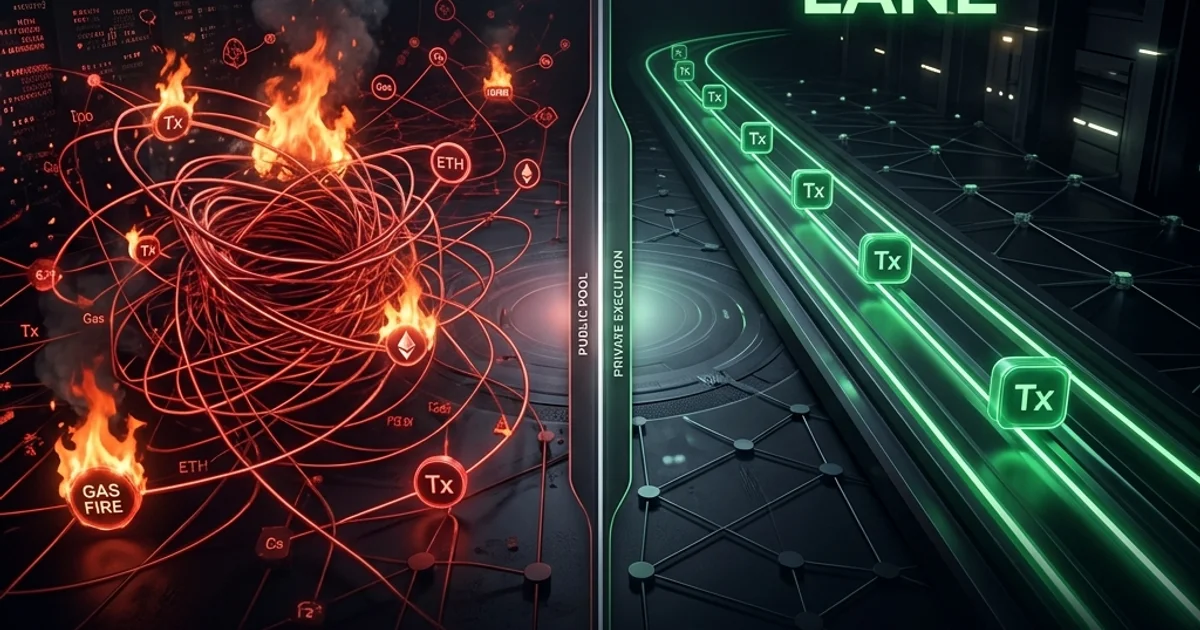
Краткий ответ — Частные пакеты экономят газ двумя конкретными способами, которые не полностью перекрываются: (1) атомарная подача означает, что неудачная симуляция ничего не стоит в цепочке (не сжигается газ для отмененных попыток), и (2) ценообразование закрытыми ставками означает, что вы не делаете ставок против тех, кто видит ту же самую возможность в публичном мемпуле, поэтому вы платите свою цену резервирования, а не цену, сложившуюся на аукционе. В основной сети Ethereum для спорных возможностей экономия газа обычно значительна — часто 20–60% от того, что наивный участник торгов PGA заплатил бы за те же сделки. В цепочках без ретрансляторов пакетов (Optimism, Base, Arbitrum, Polygon) «частные пакеты» не существуют как продукт; эквивалентной дисциплиной является атомарность одной транзакции через контракт-исполнитель, а также доступ к секвенсору с малой задержкой. Ловушка, в которую попадает большинство операторов, заключается в сравнении частного и публичного только по уровню включения — при этом упускается из виду экономия газа на отклоненных/отмененных попытках, что часто является причиной большего разрыва в PnL.
Путь мастерства
- Что такое MEV?
- Вероятность включения 101
- Руководство по исправлению неудачных пакетов
- Сокращение выбросов газа (текущий)
- Частный пакет против общедоступного мемпула
Газовая математика по шагам
Сравните путь частного пакета и путь публичного PGA по одним и тем же 100 попыткам backrun:
| Шаг | Публичный PGA | Частный пакет (Flashbots и т.п.) |
|---|---|---|
| Триггер обнаружен | То же | То же |
| Вычислить backrun | То же | То же |
| Имитировать | То же | То же |
| Подача заявок | Плата за высокий приоритет, публичный мемпул | eth_sendBundle, запечатанный |
| Другие пользователи видят вашу ставку? | Да — они поднимают свои | Нет |
| Если ваша транзакция проиграет аукцион | В любом случае майнится, возможно, с реверсией → газ оплачен | Не включено → газ бесплатен |
| Если ваша транзакция выиграет | Майнится, газ оплачен по цене вашей заявки | Майнится, газ оплачен по цене, принятой билдером |
| Стоимость отмененной попытки | Полный газ, никакой прибыли | Ноль (релей сбрасывает связку) |
Строка «если ваша передача проиграет» — это то, где концентрируется экономия. На оспариваемых маршрутах в основной сети наивная подача PGA означает, что каждая попытка стоит газа независимо от результата, включая те, которые проиграли войну торгов и вернулись в цепочку. Отправка частного пакета сводит затраты на отмененные попытки к нулю.
Когда частное действительно экономит реальные деньги
Три условия, при которых экономия велика:
- Высокая конкуренция. Возможности, видимые многим пользователям (крупные свопы DEX, каскадные события ликвидации, сценарии депривязки). Публичные торги PGA здесь быстро выходят из-под контроля — аукцион проходит на нерентабельном уровне. Частные пакеты позволяют билдеру выбрать победителя по разумной цене.
- Стратегии с низким уровнем успеха. Стратегия backrun, которая имитирует прибыль на 100 кандидатах, но выигрывает только 30, имеет 70 проигрышных попыток. Публичный путь: газ оплачивается по большинству или всем из 70. Частный путь: газ оплачивается по нулю из них.
- Частый дрейф моделирования. Состояние меняется между симуляцией и отправкой; стратегия, которая часто реверсится в сети, тратит газ при каждом реверте. Отправка пакета с правильным использованием
revertingTxHashes(или автоматическим сбросом релее при реверте) устраняет эти потери.
Когда публика приемлема
Иногда публичный мемпул — действительно правильный путь:
- Бесспорные возможности в дешевых сетях (газ стоимостью менее цента). Когда газ практически бесплатен, аукционный риск невелик. Простота публичных рассылок имеет свою ценность.
- Стратегии, требующие пробных и повторных попыток, когда посадка важнее, чем идеальное ценообразование. Сюда попадают некоторые стратегии ликвидации: выигрывает тот, кто первым найдет, точная цена менее важна.
- Цепи без пакетных релеев. Optimism, Base, Arbitrum, Polygon (если вы не используете FastLane). Предостережения по поводу «публичного мемпула» в этих цепочках различны — на самом деле не существует публичного мемпула, против которого можно было бы делать ставки, вопрос заключается только в упорядочении секвенсора.
В таких случаях дисциплиной становится: жесткие ограничения по газу, жесткие ограничения на проскальзывание, атомарное кодирование маршрутов, аварийное отключение бюджета сеанса. Публичное представление с сильными ограничениями может быть безопасным.
Случай сетей без релеев
В Optimism, Base, Arbitrum и Polygon разговор другой, потому что нет пакетного ретранслятора, эквивалентного Flashbots (у Polygon есть FastLane, но это продукт с частичным покрытием).
Стратегии сокращения выбросов газа в этих цепочках:
- Атомарность одной транзакции через контракт-исполнитель. Вместо двух отправок верхнего уровня используется один вызов контракта, который выполняет оба этапа и делает реверт при частичном заполнении. Реверт стоит только газа на запуск контракта, а не газа обеих веток.
- Симуляция перед подписанием на форке сети в текущей голове блока. Улавливает реверты, за которые иначе пришлось бы платить газ в сети. Агент FRB делает это автоматически.
- Повторный запрос комиссии в реальном времени непосредственно перед подписанием. В цепочках OP Stack доля комиссии L1 меняется внутри блока во время всплесков спроса на blob-данные; подписание по устаревшему значению — это и есть переплата.
Эта комбинация дает вам большую часть преимуществ экономии газа без пакетного релея. Не нулевые потери газа, но ограниченные.
Метрическая ловушка
Операторы иногда сравнивают частное и публичное только по уровню включения. Это упускает из виду экономию.
Лучшая структура сравнения:
| Метрика | Почему это важно |
|---|---|
| Уровень включения | Как часто вы приземляетесь |
| Газ с оплатой за попытку | Сколько вы платите независимо от результата |
| Газ с оплатой за включенную передачу | Сколько стоит посадка |
| Оплата газа за отмененную попытку | Скрытые расходы, которые публичный путь маскирует, а частный устраняет |
| Разрыв между реализованным и смоделированным PnL | Честна ли модель |
Пробегите все пять за несколько сотен попыток. Плата за газ за каждую отмененную попытку удивляет операторов при первом измерении: зачастую она составляет треть или более от общей стоимости газа для наивных стратегий публичного мемпула, и ее можно возместить.
Рабочая конфигурация
Для основной сети Ethereum:
- По умолчанию отправка частного пакета через разветвление (Flashbots + Titan + beaverbuild + rsync-builder).
- Вернитесь к общедоступному мемпулу только со строгими ограничениями (газ на сделку, проскальзывание) и только для стратегий, где расчет конкуренции показывает, что публичный путь приемлем.
- Всегда правильно используйте
revertingTxHashes, чтобы непреднамеренные пути возврата не требовали затрат внутрицепочного газа.
Для OP Stack/Arbitrum/Polygon:
- Упакуйте атомарно в один вызов контракта исполнителя, который возвращается при частичном заполнении.
- Симуляция на форке в текущей голове блока перед каждой отправкой.
- Повторно запрашивайте состояние текущих комиссий во время подписания, а не при входе в стратегию.
- FastLane на Polygon для подачи атомарных пакетов с включением по аукционной цене (в сочетании с резервным вариантом общедоступного мемпула).
Учет газа в масштабе: ежемесячное влияние на прибыль и убыток
Анализ этих цифр на реальной производственной нагрузке проясняет, почему этот выбор имеет значение:
Сценарий: 1000 попыток бэкрана в месяц в основной сети Ethereum
| Путь | Стоимость попытки | Процент побед | Оплаченные убытки | Общие расходы на газ |
|---|---|---|---|---|
| Публичный PGA | ~0,003 ETH за попытку | 25% | 750 × 0,003 = 2,25 ETH | ~3,0 ETH |
| Частный пакет | ~0,004 ETH за приземлённую транзакцию | 35% (лучшее включение) | 650 × 0 = 0 ETH | ~1,4 ETH |
В этом сценарии путь частного пакета выигрывает примерно на 1,6 ETH/месяц исключительно за счет исключения затрат на повторную попытку. Более высокая стоимость за транзакцию, когда вы ДЕЙСТВИТЕЛЬНО приземляетесь, более чем компенсируется отсутствием оплаты убытков. При ежемесячной добыче 1000 ETH 1,6 ETH составляют 0,16% от валовой суммы — не так уж и много. При 100 ETH это 1,6%, что весьма существенно. Выгода обратно пропорциональна проценту выигрышей: чем хуже ваш процент попаданий, тем больше доминирует частный пакет.
Что меняет эту математику:
- Коэффициент выигрыша выше 60 %: Преимущество потерь с нулевой стоимостью уменьшается; публичные PGA могут быть конкурентоспособными благодаря простым и надежным стратегиям.
- Скачки цен на газ. Во время роста базовой платы стоимость каждой отмененной публичной попытки растет пропорционально. Частные дорожки отделяются от этого шума.
- Разветвление с несколькими релеями по сравнению с одним релеем: Распределение на 4–5 строителей существенно повышает уровень включения, что является основным рычагом на вершине структуры с нулевыми затратами и потерями.
Ежемесячно отслеживайте оплату газа за отмененную попытку. Если он превышает 10% от реализованного PnL, переключение частного пакета, вероятно, станет единственным доступным изменением инфраструктуры с самой высокой рентабельностью инвестиций.
Связанное чтение
- Частный пакет против публичного мемпула
- Вероятность включения 101
- Руководство по исправлению неудачных пакетов
Ссылки
Похожие статьи
Дальнейшее чтение и инструменты
Обсуждение
Примечаний пока нет. Добавьте первое наблюдение или поделитесь ссылкой со своей командой на X (@MCFRB).