MEV Bot SaaS против самостоятельного…
**Краткий ответ** — Боты SaaS MEV (боты Telegram, снайперы веб-приложений) выигрывают за счет скорости первой сделки и постоянного обслуживания — вы платите 0,5–1 % за сделку, а ин
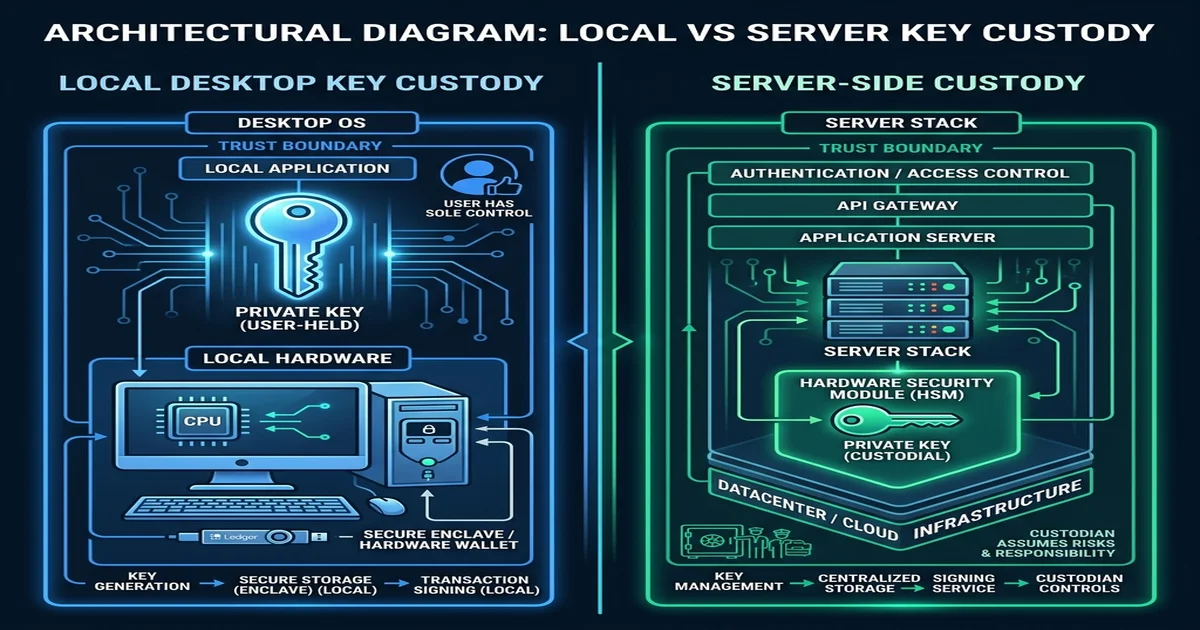
Краткий ответ — Боты SaaS MEV (боты Telegram, снайперы веб-приложений) выигрывают за счет скорости первой сделки и постоянного обслуживания — вы платите 0,5–1 % за сделку, а инфраструктурой занимается кто-то другой. Боты MEV с самостоятельным размещением (настольные агенты, собственный код на VPS) выигрывают по совокупной стоимости владения при обороте выше ~30 тысяч долларов, дают некастодиальные гарантии и позволяют настраивать пути исполнения, которые SaaS не раскрывает. Точка пересечения для большинства пользователей составляет около 3000–5000 долларов США ежемесячного объема торговли: ниже этого значения SaaS обходится дешевле с учетом вашего времени; выше — самостоятельное размещение окупается в течение нескольких месяцев. Настольный агент, такой как FRB Agent, находится посередине — самостоятельное исполнение с UX, подобным SaaS.
Две категории в одной таблице
| Размерность | SaaS-бот MEV | Автономный бот MEV |
|---|---|---|
| Время первой сделки | 5–10 минут | 2 часа – несколько дней |
| Комиссии за сделку | 0,5–1% | 0% (вы платите только за газ) |
| Ежемесячная стоимость инфраструктуры | $0 (встроено в комиссию) | 50–2000 долларов |
| Модель хранения | Размещенный горячий кошелек | Ключи под контролем пользователя |
| Настройка задержки | Определяется поставщиком | Управляется пользователем |
| Пути выполнения | Определяется поставщиком | Любой путь, реализуемый пользователем |
| Частота обновления | Автоматический (хороший и плохой) | Управляется пользователем |
| Восстановление после сбоя | Проблема с провайдером | Проблема пользователя |
| Возможность аудита | Закрытый исходный код | Самопроверка |
| Лучшее для | Снайпинг мемкоинов, случайный MEV | Серьезный MEV, мультичейн, большой объем |
Где побеждает SaaS
Скорость подключения. Откройте Telegram, напишите боту, внесите депозит, торгуйте. Photon, BonkBot, Maestro, Trojan, Bullx, GMGN — все варианты «торгуй за 10 минут». Для тех, чья альтернатива — «потратить выходные на установку инфраструктуры», SaaS устраняет настоящий барьер.
Техническое обслуживание — чужая проблема. Когда RPC умирает, когда обновляется цепочка, когда меняется контракт маршрутизатора, поставщик SaaS это исправляет. Вы просыпаетесь и видите работающего бота. Для автономных установок все это ваши проблемы.
Пользовательский интерфейс, ориентированный на мобильные устройства. Большинство SaaS-ботов работают с телефона. Большинство самостоятельных установок этого не делают. Если вы торгуете на ходу, SaaS выигрывает благодаря доступности.
Функции копи-трейдинга и обнаружения возможностей. SaaS-боты вкладывают значительные средства в функции обнаружения возможностей — трендовые токены, копируемые списки кошельков, системы оповещений. Самостоятельные пользователи обычно создают их самостоятельно или платят за отдельные каналы данных.
Где побеждает самостоятельное размещение
Экономика комиссий в масштабе. Возьмем трейдера, объем которого составляет 30 000 долларов в месяц:
- SaaS по ставке 0,5 % = 150 долларов США в месяц комиссии.
- SaaS по ставке 1 % = 300 долларов США в месяц комиссии.
- Самостоятельное размещение = 0 долларов США в месяц за комиссию, 50–300 долларов США в месяц за инфраструктуру (RPC, VPS, узел).
При объеме 30 тысяч долларов в месяц SaaS и самостоятельный хостинг примерно равны по ставке 0,5%, а самостоятельный хостинг выигрывает в 2 раза при ставке 1%. При объеме 100 тысяч долларов в месяц самостоятельное размещение — явная победа. При объеме более 300 тысяч долларов в месяц SaaS неоправданно дорог.
Гарантии хранения. Самостоятельное размещение означает, что приватные ключи хранятся на вашем компьютере, а не в инфраструктуре поставщика SaaS. Если провайдера взломают, он обанкротится, попадет под арест активов или просто начнет действовать злонамеренно, ваши средства останутся вашими. Подробнее об архитектуре кошельков — в статье Лучший кошелек для MEV-трейдеров 2026.
Настройка исполнения. Самостоятельное размещение позволяет:
- Выбрать свой собственный RPC (приватный, с малой задержкой, с MEV-защитой)
- Настроить структуру пакета (защита от revert, ограничение проскальзывания, постусловия)
- Маршрутизация через определенные релеи (Flashbots, BloXroute, MEV-Share, Jito и т. д.) под каждую стратегию
- Запускать мультичейн из одной конфигурации
Поставщики SaaS открывают лишь часть этого набора. Часть имеет значение, остальное — «доверяйте настройкам провайдера по умолчанию».
Конфиденциальность от провайдера. Поставщики SaaS могут видеть каждую вашу сделку. Некоторые продают или делятся этими данными. При самостоятельном размещении ваша торговая деятельность остается между вами и сетью.
Математика истинной стоимости владения
Три примера оператора:
Оператор А: Обычный мемкоин-снайпер, инвентарь на 5 тысяч долларов, объем ~ 10 тысяч долларов в месяц.
- Комиссия SaaS 0,5%: ~$50/мес.
- Самостоятельное размещение: инфраструктура 80 долларов США в месяц + 2 часа настройки + обслуживание примерно 1 час в месяц.
Итог: SaaS побеждает. Сэкономленное время стоит больше, чем разница в 30 долларов в месяц.
Оператор Б: Серьезный одиночный оператор MEV, инвентарь на 40 тысяч долларов, объем продаж ~ 80 тысяч долларов в месяц.
- Комиссия SaaS 0,5%: ~$400/мес.
- Самостоятельное размещение: инфраструктура 200 долларов США в месяц (лучше RPC + узел) + установка за 1 день + обслуживание ~3 часа в месяц.
Итог: Самостоятельное размещение выигрывает в финансовом отношении. Хранение и контроль исполнения являются бонусами.
Оператор C: мультичейн-серчер, инвентарь на 200 тысяч долларов, объем ~ 500 тысяч долларов в месяц.
- Комиссия SaaS 0,5%: ~$2500/мес (и SaaS часто не поддерживает все сети)
- Самостоятельное размещение: инфраструктура 1000 долларов США в месяц + выделенное время на разработку.
Итог: Самостоятельное размещение — единственный жизнеспособный ответ. Одни только сборы за SaaS съели бы целые месяцы альфы стратегии.
Точка пересечения одинакова для всех уровней капитала: когда ежемесячная плата превышает ваши затраты времени на управление, выигрывает самостоятельное размещение.
Гибрид: настольные агенты
Агенты MEV для настольных компьютеров (например, агент FRB) — это третья категория, которая разделяет разницу:
- Установка осуществляется одним двоичным файлом. Ближе к SaaS UX, чем к самостоятельной настройке VPS.
- Выполнение локальное. Ближе к автономному хранению и задержке, чем к SaaS.
- Сборы обычно взимаются за разовую лицензию, а не за сделку. Ближе к самостоятельной экономике в масштабе.
- Обслуживание разделено: обновления ядра агента предоставляются поставщиком; пользователь управляет RPC, кошельками и параметрами стратегии.
Для пользователей между оператором A и оператором C (скажем, инвентарь стоимостью 5–200 тысяч долларов) настольный агент часто превосходит как чистый SaaS (более низкие комиссии, без хранения), так и чистый самостоятельный хостинг (меньше времени на установку, обновления ядра выполняет поставщик).
См. Truly Non-custodial vs Telegram Bot 2026, чтобы узнать о конкретном контрасте хранения между SaaS-ботами Telegram и настольными агентами.
Скрытые затраты SaaS
Несколько расходов, которые не отображаются в комиссии за сделку:
- Задержка вывода средств. Некоторые SaaS-боты устанавливают минимальный баланс или групповое снятие средств. Ваш «доступный» капитал меньше вашего общего баланса.
- Налог на проскальзывание. Некоторые поставщики направляют вашу торговлю через свои собственные потоки обеспечения ликвидности, которые могут получить дополнительные базисные пункты помимо раскрытой комиссии.
- Стоимость простоя. Когда у провайдера SaaS происходит инцидент (а он случается), вы не можете торговать. Альтернативные издержки во время волатильности асимметричны — вы теряете доступ к наиболее прибыльным окнам.
- Риск закрытия аккаунта. Поставщики услуг могут закрыть аккаунты из-за нарушений условий обслуживания, требований регуляторов или произвольных решений. Возможно, ваш инвентарь не будет доступен немедленно.
Ни одно из этих событий не является катастрофическим само по себе. Для большинства пользователей они добавляют примерно 0,1–0,3% дополнительных затрат за сделку сверх основной комиссии.
Скрытые затраты на самостоятельное размещение
Справедливость в этом сравнении:
- Ваше время: Настройка, мониторинг, отладка, обновление. Для обычного пользователя это может составлять более 10 часов в месяц.
- Сбои инфраструктуры: перезагрузка VPS, истечение срока подписки RPC, проблемы с синхронизацией узла — все зависит от вас. Перебои означают пропущенные сделки.
- Ответственность за безопасность: самостоятельное хранение означает и личную ответственность. Взлом кошелька — ваша проблема и только ваша.
- Эффективность капитала во время простоя. Во время отладки ваш капитал простаивает.
Для некоторых операторов это чистый положительный результат (контроль = лучшие результаты). Для других они являются настоящей обузой.
Когда использовать каждый
Практическое дерево решений:
-
Вы торгуете объемом менее 5 тысяч долларов в месяц? SaaS. Накладные расходы на инфраструктуру не окупаются при таких размерах.
-
Вы торгуете на сумму от 5 000 до 30 000 долларов США в месяц и хотите некастодиальное решение? Настольный агент (например, FRB Agent). Лучший баланс UX, хранения и экономики на этом уровне.
-
Вы торгуете на сумму от 30 до 200 тысяч долларов в месяц? Настольный агент, если вам нужна поддерживаемая инфраструктура, полностью автономный, если у вас есть технические возможности и вы хотите получить максимальный контроль над настройкой.
-
Вы торгуете на сумму более 200 000 долларов в месяц? Самостоятельное размещение, с выделенной командой DevOps, если ваша команда достаточно велика. Одни только сборы за SaaS становятся значимым препятствием для получения прибыли при таком объеме.
-
Вы торгуете более чем в трех цепочках? Отдавайте предпочтение самостоятельному размещению или мультичейн-агенту для настольных компьютеров. Большинство SaaS-ботов одноцепочечные (или сильны в одной цепочке и слабы в других).
Как выглядит модель агента FRB
Агент FRB продается как разовая лицензия, а не как плата за сделку. Ментальная модель: заплатите один раз за бинарный файл, запустите его на своей машине, используйте свои RPC, заплатите за газ. Агент управляет выполнением; пользователь контролирует все вокруг себя.
По сравнению с SaaS:
- Никаких комиссий за сделку → линейные затраты по сравнению с линейно масштабируемым объемом
- Ключи остаются локальными → нет риска хранения на стороне провайдера
- Мультичейн в одном двоичном файле → не нужно подключать отдельный SaaS для каждой цепочки
По сравнению с полностью автономным пользовательским кодом:
- Никаких затрат на разработку → установка за считанные минуты.
- Провайдер поддерживает основные пути выполнения → пользователю не нужно отслеживать каждое обновление цепочки
- Встроенная маршрутизация MEV-защиты → не придется собирать интеграцию с Flashbots самостоятельно
Компромисс тот же, что и для любого другого вендорского программного обеспечения: вы доверяете бинарному файлу поставщика, доверяете процессу обновлений и доверяете тому, что заявленное поведение соответствует фактическому исполнению. Самостоятельный код с открытым исходным кодом выигрывает в проверяемости; поставляемые настольные агенты выигрывают в простоте настройки и обслуживания.
Итог
Универсального ответа не существует. Решение зависит от вашего капитала, вашего технического комфорта и вашей модели угроз:
- Казуальный трейдинг + небольшой объем → SaaS
- Серьезный подход + средний объем + предпочтение некастодиальности → Настольный агент
- Продвинутый подход + большой объем → Самостоятельное размещение
Что НЕ оправдано, так это SaaS при больших объемах (вы платите налог за удобство, которое вам не нужно) или самостоятельный хостинг при очень небольших объемах (вы тратите часы, экономя центы). Сопоставьте инструмент с реальной работой.
Дальнейшее чтение
Frequently asked questions
At what volume does self-hosted beat SaaS?
Around $30,000/month volume. Below that, time-cost-of-management favors SaaS. At $30k SaaS at 0.5% costs $150/month vs $50–300 infrastructure for self-hosted — roughly even. At $100k+/month, self-hosted is meaningfully cheaper. At $300k+, SaaS fees are unconscionable.
What hidden costs does SaaS carry beyond per-trade fees?
Slippage tax through provider-managed routing (extra 0.1–0.3% per trade), withdrawal latency (capital sits idle during transfers), outage cost during volatility windows (the most profitable moments), and account-closure risk for ToS or regulatory reasons.
How does a desktop agent differ from both pure SaaS and pure self-hosted?
Desktop agents can combine local non-custodial execution with vendor-maintained core code. FRB Agent is free to download and applies a 20% fee to qualifying net profitable executed trades where fee logic applies.
What's the recommended setup at $200k+/month volume?
Self-hosted custom code with dedicated operations can fit sophisticated teams; a maintained multi-chain desktop agent can fit solo operators. Compare total costs, custody, and fee basis before deciding.
Is SaaS more dangerous than self-hosted?
Different risks. SaaS: provider hack/insolvency, account freezes, lower control. Self-hosted: your time, infrastructure failures on you, security responsibility entirely yours. Neither is universally safer — it depends on whether your operational discipline exceeds the provider's.
Похожие статьи
Дальнейшее чтение и инструменты
Обсуждение
Примечаний пока нет. Добавьте первое наблюдение или поделитесь ссылкой со своей командой на X (@MCFRB).