Backrun vs Sandwich: когда использовать каждую…
**Краткий ответ** — **обратный прогон** торгуется сразу *после* целевой транзакции, фиксируя арбитражную стоимость, оставленную целью путем вывода пула из равновесия. **Сэндвич** т
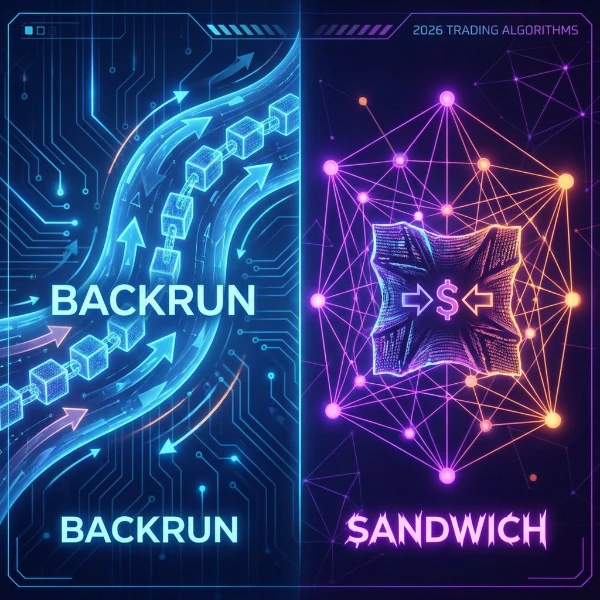
Краткий ответ — обратный прогон торгуется сразу после целевой транзакции, фиксируя арбитражную стоимость, оставленную целью путем вывода пула из равновесия. Сэндвич торгует как до, так и после цели: первая сделка покупает, целевой своп толкает цену, затем задняя часть продает по худшей цене, созданной целью. Механически разница составляет одну дополнительную транзакцию; с этической и практической точки зрения это пропасть. Backruns имеют положительную сумму (они возвращают цены к равновесию и не ухудшают результаты для целевого пользователя); сэндвичи явно являются экстрактивными (целевой пользователь получает худшее заполнение из-за сэндвича). В 2026 году наиболее серьезные операции MEV будут выполняться с повторным запуском и явно отключать сэндвич-логику — как потому, что нормативное направление является неблагоприятным, так и потому, что защита на стороне протокола (частные RPC, MEV-Share, устойчивые к сэндвичу маршрутизаторы, скидки MEV-Blocker) все чаще направляют поток обычных пользователей от воздействия сэндвич-мемпула. Агент FRB поставляется с отключенными по умолчанию сэндвич-стратегиями; рабочая политика в 2026 году заключается в том, чтобы не допускать их использования, если только ваша юрисдикция и пул контрагентов действительно не разрешают это.
Путь мастерства
- Что такое MEV?
- Частный и публичный мемпул
- Бэкран против сэндвича (текущий)
- Вероятность включения 101
- Руководство по исправлению неудачных пакетов
- Сканирование мемпула 101
Механика, бок о бок
| Характеристика | Бэкран | Сэндвич |
|---|---|---|
| Количество транзакций | 1 (ваш) + 1 ссылка (целевая) | 3 (передняя часть, цель, задняя часть) |
| Где вы появляетесь в блоке | Сразу после цели | До и после цели |
| Влияние на заливку цели | Нет (цель выполняется в том же состоянии, в котором они ожидали) | Хуже (ваш фронт движется против них) |
| Источник прибыли | Пул возвращается в равновесие; вы захватываете спред | Цель платит завышенную цену; вы улавливаете разницу |
| Требование атомарности | Одиночный перевод (ваш) или пакет (ваш + целевой реф) | Пакет из 3-х транзакций, «все или ничего» |
| Типичная величина | Маленький за возможность; высокая частота | Переменная; может быть большим для отдельных целей |
| Протокол ответа | Обычно терпимо; интегрирован в систему скидок MEV-Share | Все чаще блокируется (частные RPC, сэндвич-устойчивые маршрутизаторы) |
Единственное самое большое отличие: обратное прохождение никому не делает хуже, чем было раньше. Транзакция целевого пользователя переместила бы пул независимо от того, выполнили ли вы его обратное прохождение или нет — арбитражная стоимость была создана его сделкой и в противном случае была бы захвачена кем-то другим (или оставалась бы временным дисбалансом пула до следующего арбитражера). Сэндвич, напротив, делает заполнение цели хуже, чем оно было бы в отсутствие вашего бота.
Когда обратный ход — правильный инструмент
- Свопы на ликвидном AMM, заметно двигающие цену. Трейдер заключает сделку на сумму 200 тыс. долларов США по паре ETH/USDC; пул сдвигается; вы торгуете против состояния после свопа, чтобы зафиксировать дисбаланс. Чистый арбитраж.
- Ликвидации по кредитным протоколам. Позиция становится ликвидируемой; ликвидационная сделка перемещает залоговое обеспечение; вы выполняете бэкран, чтобы захватить связанный арбитраж между полученным ликвидатором залогом и текущим рынком.
- Ребалансировка между DEX. Своп на Uniswap меняет цену; разница в цене по отношению к Sushi/Curve создает арбитражную возможность между DEX; вы забираете этот арбитраж.
Во всех трех случаях цена вашей сделки приближается к справедливой стоимости. Выгоды для протокола, выгоды для арбитражного рынка, и ни один человек не оказывается в существенном ухудшении положения.
Когда сэндвич теоретически применим, но с практической точки зрения неразумен
Существуют условия пула и условия целевого пользователя, в которых работает экономика сэндвича — свопы с широким допуском, неликвидные пулы, где проскальзывание изначально велико. Большинство операторов в 2026 году по-прежнему избегают их, потому что:
- Направление регулирования. В некоторых юрисдикциях открыто изучаются сэндвич-атаки как аналоги рыночных манипуляций. Правовая позиция смещается в сторону «это вредно и, как минимум, требует раскрытия информации».
- Издержки репутации. Общественное объединение, занимающееся добычей сэндвичей, ограничивает институциональное партнерство и доступ контрагентов. Экономика одной сделки затмевается долгосрочными издержками бизнеса.
- Защита на стороне протокола работает. Flashbots Protect, MEV-Blocker, MEV-Share и растущее внедрение устойчивой к сэндвичам маршрутизации (CoW Swap, защищенные MEV RPC в основных кошельках) означают, что адресуемая поверхность для сэндвичей сокращается каждый квартал.
- Пулы контрагентов меняются. Когда кошельки по умолчанию направляют пользователей через защищенные сэндвич-точки, население, все еще попадающее в публичный мемпул, все чаще оказывается не ничего не подозревающим розничным пользователем — это протокольные смарт-контракты, другие боты или пользователи, которые явно выбрали прямую отправку. Экономика сэндвич-атак на эту группу совершенно иная.
По этим причинам агент FRB по умолчанию отключает сэндвич-стратегии. Их можно включить, но для этого требуется явная настройка и подтверждение политики.
Рабочее дерево решений
Для любой возможности:
- Является ли целью обычный пользователь, отправляющий данные через RPC с общедоступным мемпулом? Если да, по умолчанию используется только резервное выполнение — это группа населения, для которой сэндвич является наиболее проблематичным с этической и нормативной точки зрения.
- Является ли бассейн глубоким и ликвидным? Если да, то экономика отката работает; Сэндвич-экономика в любом случае обычно слаба, потому что устойчивость к проскальзыванию низкая.
- Является ли триггерная транзакция сама по себе действием между контрактами (маршрутизатор DEX, агрегатор, автоматизированная стратегия)? Тогда обратный запуск по-прежнему является подходящим инструментом — ни один отдельный пользователь не пострадал, но динамика представляет собой чистый арбитраж.
- Является ли нормативная позиция вашей юрисдикции в отношении извлечения сэндвичей неясной или враждебной? Если да, считайте сэндвич запрещенным.
Значением по умолчанию для FRB Agent и для серьезных операторов в 2026 году является: только обратный запуск. Если возникает вопрос, включать ли сэндвич, ответ почти всегда — нет.
Операционная дисциплина в любом случае
Будь то бэкран или (редко) сэндвич:
- Всегда моделируйте вилку на текущем уровне перед подписанием. Самые большие потери происходят из-за дрейфа сим-реальности, а не из-за того, что «стратегия была неправильной».
- Всегда явно ссылайтесь на триггер tx в пакете. Без явного эквивалента
targetTxHash\ ваш бэкран может оказаться в блоке, отличном от триггера, и не иметь никакого эффекта. - Всегда плотно ограничивайте проскальзывание для каждого класса бассейна. Потоки проскальзывания не расширяются, чтобы сделки принесли прибыль, — они ужесточаются.
- Всегда отслеживайте реализованный и смоделированный PnL. Постоянный разрыв (>10% более чем в 100 сделках) — это ошибка модели, а не статистический шум.
Бэкраннинг на Solana и Ethereum
Механика обратного запуска существенно различается между Solana и Ethereum, и стратегии, разработанные для одной цепочки, не передаются напрямую в другую.
Бэкранинг Ethereum: Стандартный шаблон отправляет пакет через eth_sendBundle, где ваша транзакция обратного запуска явно ссылается на триггерную транзакцию. Пакет гарантирует атомарность — ваш бэкран попадает в тот же блок, что и триггер, или не попадает вообще. Это важно для обратного запуска GMX на Arbitrum, тиковом арбитраже Uniswap V3 на Ethereum и ликвидационных парах AAVE.
Бэкран Solana через Jito: Пакеты Jito обеспечивают ту же гарантию атомарности, что и Solana: ваш бэкран и триггерная транзакция находятся в одном пакете и выполняются атомарно. Ключевое отличие состоит в том, что у Solana нет традиционного мемпула; триггерная транзакция должна быть либо в вашем пакете, либо уже подтверждена до отправки. Для обратного запуска на основе Jito обычно используется обратный запуск подтвержденной (уже полученной) транзакции в следующем блоке, а не совместное объединение.
Аспекты скорости: при использовании 12-секундных блоков Ethereum у вас есть достаточно времени, чтобы обнаружить триггер, смоделировать свой ответ и отправить пакет для того же блока. В блоках Solana размером ~400 мс окно от обнаружения триггера до отправки измеряется миллисекундами. Подписка Yellowstone gRPC (по сравнению со стандартной WSS) фактически обязательна для конкурентного обратного запуска Solana — стандартные конечные точки WebSocket добавляют задержку обнаружения в 100–200 мс, что устраняет большую часть окна.
Ссылки
Похожие статьи
Дальнейшее чтение и инструменты
Обсуждение
Примечаний пока нет. Добавьте первое наблюдение или поделитесь ссылкой со своей командой на X (@MCFRB).