Агент FRB против Axiom Trade в 2026 году:…
**Краткий ответ** — FRB Agent и Axiom Trade позиционируются как «некастодиальные», но они находятся на **противоположных сторонах архитектурной линии**. Агент FRB — это **локально
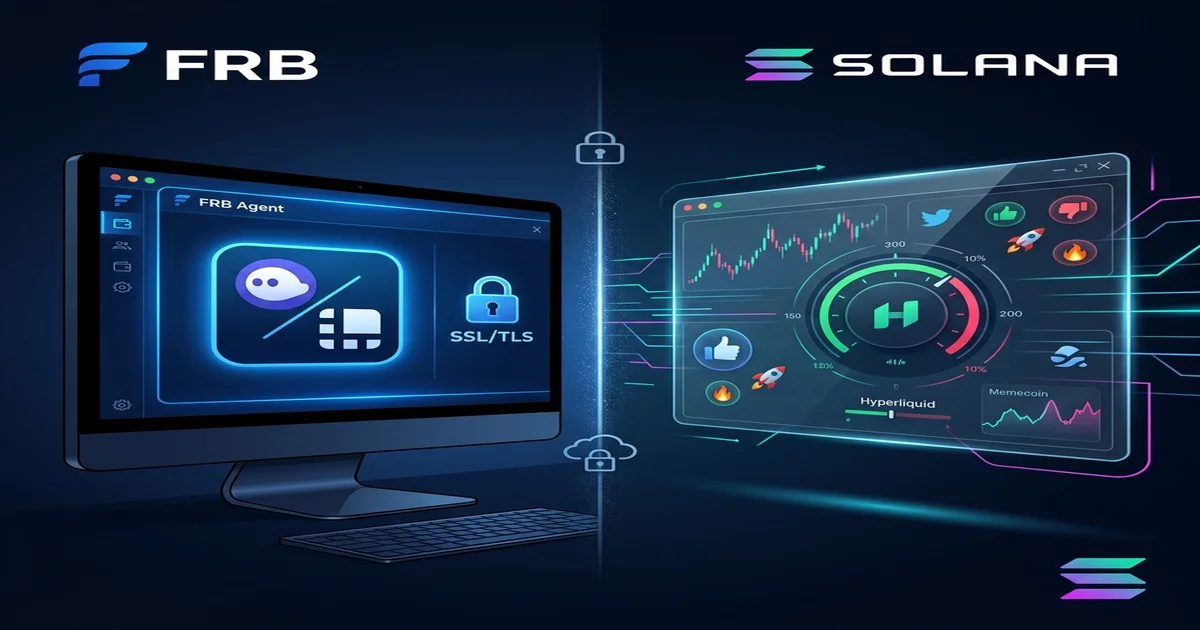
Краткий ответ — FRB Agent и Axiom Trade позиционируются как «некастодиальные», но они находятся на противоположных сторонах архитектурной линии. Агент FRB — это локально устанавливаемый двоичный файл, в котором пользователь подписывает каждую транзакцию своим собственным кошельком (Phantom/Ledger/Solflare) — на пути к данным нет размещенного сервера. Axiom Trade — это размещенный веб-терминал с инфраструктурой смарт-кошелька, оптимизированный для войны с мемкойнами Solana, со встроенным отслеживанием кошелька/Twitter, выходами с поддержкой MEV и интеграцией Hyperliquid. Заявление каждого из них о «некастодиальности» на практике означает разные вещи. Оба могут торговать запусками на Solana; реальное различие — в том, «как» — FRB автоматизирует фильтрованное и основанное на правилах исполнение с независимого рабочего стола, а Axiom — это размещенный на хосте терминал с богатыми аналитическими возможностями для дискреционной торговли. Выбор зависит от предпочтений суверенитета, автоматического или ручного стиля торговли, а также от того, торгуете ли вы с рабочего стола или через браузер.
Что представляет собой каждый продукт
Агент FRB
- Форм-фактор: настольное приложение Windows.
- Основной вариант использования: Автоматизированный MEV — атомарный арбитраж, ликвидация пакетов Jito, маршрутизация DEX с несколькими цепочками.
- Модель кошелька: пользователь создает собственный кошелек (Phantom, Solflare, Backpack, Ledger); FRB Hub никогда не видит ключи
- Хранение ключей: данные сопряжения зашифрованы с помощью DPAPI в
%APPDATA%\FRB. - UX: собственный настольный пользовательский интерфейс с сопряженной панелью управления на ai-frb.com/app.
- Цена: Бесплатная загрузка; плата за производительность на выгодных пакетах
Axiom Trade
- Форм-фактор: размещенный веб-терминал.
- Основной вариант использования: торговля мемкоинами Solana со встроенной аналитикой, настроениями в Twitter, отслеживанием кошельков и маршрутизацией перпетуалов Hyperliquid.
- Модель кошелька: инфраструктура смарт-кошелька с потоками подписи на стороне клиента.
- Хранение ключей: согласно публичной документации — на стороне клиента; пользователям стоит самостоятельно проверить актуальную модель и доступ к seed-фразе
- UX: веб-терминал с богатыми возможностями построения графиков и копи-трейдинга.
- Цены: структура комиссии за сделку на терминале.
Архитектурная линия
Ключевым отличием является область, контролируемая пользователем:
- Агент FRB: ПК пользователя контролирует весь путь передачи данных от знака до трансляции.
- Axiom Trade: браузер пользователя контролирует этап подписания; остальная часть пути данных находится в инфраструктуре Axiom.
Оба могут быть «некастодиальными» в зависимости от реализации. Вопрос в том, чья инфраструктура должна быть безупречной, чтобы ваши сделки были безопасными. С FRB это только ваше. В случае с Axiom (и любым размещенным терминалом) это также принадлежит оператору.
Фокус стратегии: дискреционный терминал против автоматизированного стека
Домен Axiom Trade:
- Запись о мемкойне Solana при запуске
- Сделки, основанные на настроениях (сигналы Twitter)
- Автоматизация копи-трейда
- Быстрые выходы с учетом MEV при ордерах
- Позиционирование перпетуалами на Hyperliquid
Домен агента FRB:
- Атомный арбитраж Cross-DEX на Solana (Raydium/Orca/Phoenix)
- Ликвидация кредитования (эквиваленты Mendi, ZeroLend в поддерживаемых цепочках)
- Отфильтрованная снайперская стрельба по новым запускам с ограниченным риском (на основе правил, а не в один клик)
- Мультичейн дашборд для Ethereum + Solana + EVM L2s
- Учет прибылей и убытков по контракту
Различие здесь — в стиле, а не только в стратегии. Торговля мемкоинами на Axiom — это дискреционный и оппортунистический подход с потенциалом резкого роста прибыли; FRB проводит ту же охоту за новыми запусками, но в виде автоматизированных, отфильтрованных правил с ограничениями, наряду с систематическим MEV. Многие операторы используют оба инструмента — дискреционный терминал и автоматизированный стек — с раздельным распределением капитала.
Профиль задержки
| Операция | Агент FRB | Axiom Trade |
|---|---|---|
| Клик → всплывающее окно кошелька | ~50–100 мс (локально) | ~150–400 мс (запрос к веб-серверу + подпись) |
| Подписание → отправка | Прямое WSS-соединение с сетью | Бэкенд Axiom → сеть |
| Решение автоматизировано? | Да — бот работает локально | Частично — управление через терминал, некоторые автоматические правила |
| Лучший вариант | Быстрые автоматизированные реакции | Быстрые ручные реакции |
В случае автоматизированного MEV побеждает локальный цикл принятия решений FRB. Для ручного снайпинга с богатым контекстом терминал Axiom выигрывает, поскольку аналитика встроена в торговый интерфейс.
«Некастодиальное» — полезное определение
Оба продукта заявляют о некастодиальности. Полезные тесты для применения:
- Можно ли вывести деньги без оператора? Если да → действительно некастодиальный. Если нет (например, кастодиальный кошелек за пользовательским интерфейсом) → кастодиальный.
- Где хранится seed-фраза? Локальный аппаратный/программный кошелек → веский аргумент в пользу некастодиальности. Контракт смарт-кошелька оператора → слабее.
- Что произойдет, если оператор исчезнет? С FRB ваш кошелек продолжает работать — вы можете войти напрямую через Phantom. При использовании терминала со смарт-кошельком вам может потребоваться процедура восстановления.
- Какова область аудита? FRB: бинарник, верифицированный по SHA-256, + поведение открытого RPC. Axiom: исходный код контракта смарт-кошелька, если он опубликован.
Применяйте эти тесты к любому заявлению о некастодиальности, прежде чем вкладывать значительный капитал.
Когда Axiom Trade — правильный инструмент
Вам стоит выбрать Axiom Trade, если:
- Вы торгуете мемкоинами Solana в качестве своего основного преимущества.
- Вам нужна встроенная аналитика (Twitter, ончейн-кошельки) внутри торгового пользовательского интерфейса.
- Вы работаете в браузере (на настольном компьютере или ноутбуке) и хотите удобство веб-приложения.
- Вам необходима интеграция Hyperliquid perp для хеджирования воздействия мемкойнов
- Размер вашей позиции составляет 100–10 000 долларов США за сделку — операционный риск ограничен.
Для войны с мемкоинами Axiom является одним из наиболее хорошо спроектированных терминалов в 2026 году.
Когда агент FRB является подходящим инструментом
Вам стоит выбрать Агента FRB, если:
- Ваша стратегия — автоматическое MEV плюс фильтрованный снайпер — атомарный арбитраж, ликвидация, маршрутизация на основе контрактов и новые записи на основе правил.
- Вы используете мультичейн (Ethereum, BNB, Polygon, Base, Solana) и хотите иметь единую панель управления.
- Вам нужен максимальный суверенитет — локальный двоичный файл, локальная подписывающая сторона, отсутствие размещенного промежуточного программного обеспечения.
- Для соответствия требованиям необходимо шифрование ключей DPAPI и целостность официального установщика.
- Ваш капитал заслуживает изоляции инфраструктурного уровня, а не терминального уровня.
FRB снайпит через автоматические фильтры, а не через дискреционный терминал с кликами по графику — он конкурирует за счет систематического, некастодиального исполнения, а не за счет UX терминала для мемкоинов.
Общая стоимость владения
| Стоимость | Агент FRB | Axiom Trade |
|---|---|---|
| Программное обеспечение/доступ | Бесплатно | Вход свободный, комиссия за сделку |
| Плата за выступление | % прибыли от пакета | Неявно в торговом потоке |
| Подписки | Нет | Иногда — проверьте текущий уровень |
| Инфраструктура | $50–200 в месяц (RPC, опционально VPS) | $0 — хостинг на стороне Axiom |
| Временные инвестиции | Настройка за 30 минут | Регистрация за 5 минут |
Axiom дешевле начинать. FRB дешевле в масштабе, потому что за каждую сделку не взимается рейк — плата за производительность взимается только тогда, когда вы действительно получаете прибыль MEV.
Скрытый риск в размещенных терминалах
Существенный риск для любого размещенного терминала:
- Доступ оператора: оператор может видеть все ваши сделки, даже если он не может их подписать.
- Атаки на фронтенд: взломанный пользовательский интерфейс (DNS-хайджек, внедрение JS) может заставить пользователей подписать вредоносные транзакции.
- Перебои в обслуживании: сбой в работе терминала означает, что вы не сможете торговать, пока он не вернется.
- Геоблокировки/закрытие: внезапные изменения в соответствии с требованиями могут заблокировать вашу учетную запись.
Они не являются специфичными для Axiom — они есть на каждом размещенном терминале. Архитектура настольных компьютеров обходит все четыре ценой более сложной настройки.
Стоит ли запускать оба?
Если в вашем портфеле есть как дискреционные спекулятивные ставки на мемкоины, так и автоматизированный MEV, ответ — да: для разных стилей нужны разные инструменты:
- Axiom — для дискреционного, основанного на аналитике потока на Solana
- FRB — для автоматизированного межDEX-арбитража и отфильтрованного снайпинга с ограничением риска
Капитал должен быть отдельным для каждого инструмента, чтобы проблема одного не перетекала в другой.
Где у FRB Agent нет конкурентов
Явные преимущества FRB перед Axiom для серьезных операторов MEV:
- Локальный путь выполнения — в торговом потоке нет размещенного промежуточного программного обеспечения.
- Единая панель управления с несколькими цепочками — Ethereum + BNB + Polygon + Base + Solana
- Официальный установщик + SHA-256 — возможность аудита цепочки поставок
- Изоляция ключей DPAPI — защита ключей уровня Windows.
- Локальные журналы для каждого пакета — каждую транзакцию можно проверить с помощью вашего собственного SQLite.
Это важно, когда целью является инфраструктура, а не развлечение.
Дальнейшее чтение
Похожие статьи
Дальнейшее чтение и инструменты
Обсуждение
Примечаний пока нет. Добавьте первое наблюдение или поделитесь ссылкой со своей командой на X (@MCFRB).