Лучшие конечные точки WSS для Polygon (2026 г.)
**Краткий ответ** — Polygon PoS — это одна из немногих оставшихся крупных цепочек EVM с работающим общедоступным мемпулом и инфраструктурой пакетов в стиле PBS (FastLane Atlas), ра
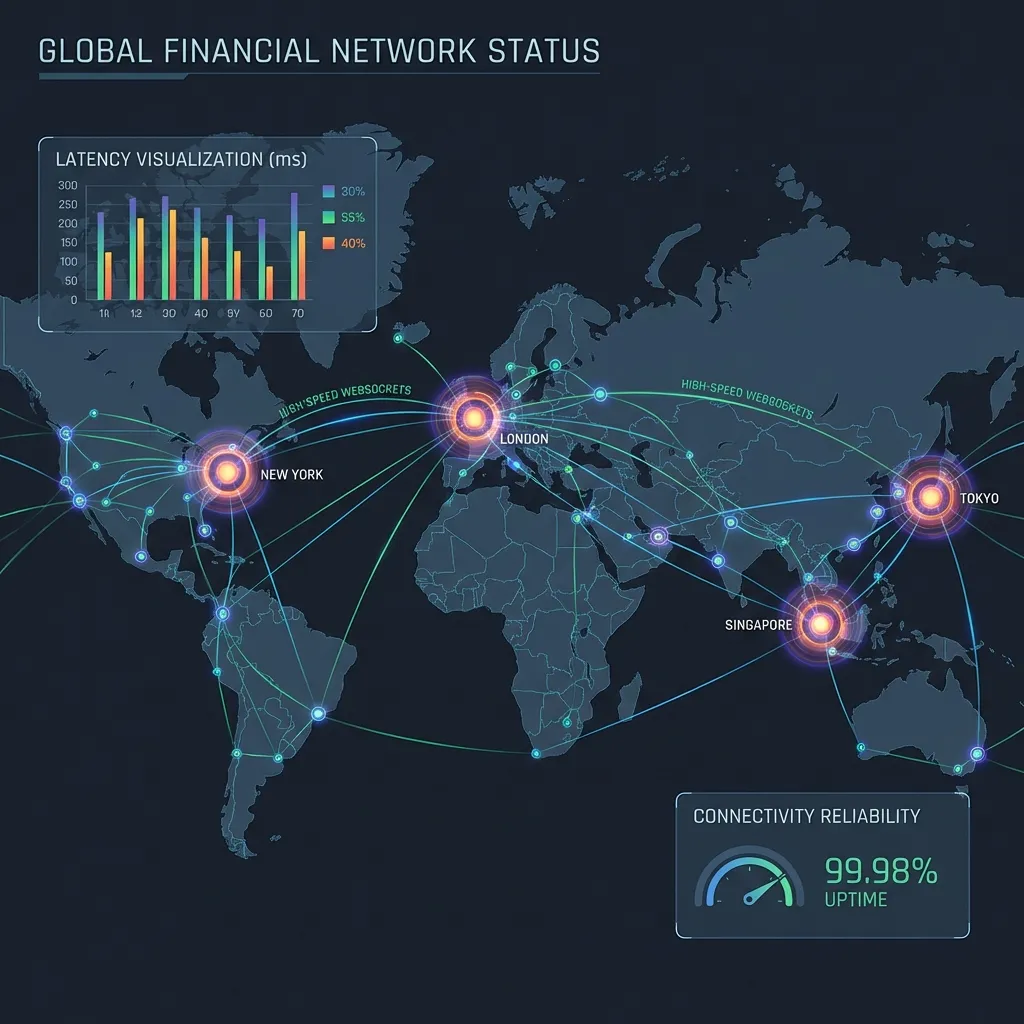
Краткий ответ — Polygon PoS — это одна из немногих оставшихся крупных цепочек EVM с работающим общедоступным мемпулом и инфраструктурой пакетов в стиле PBS (FastLane Atlas), работающей поверх нее. Выбор конечной точки WSS на Polygon напрямую влияет на PnL: 2-секундные блоки означают, что преимущество в задержке в 200 мс часто решает, кто выиграет спорный бэкран. Стек 2026: коммерческий частный RPC для чтения и записи (QuickNode, Alchemy, Chainstack, BlockPi — все они компетентно обслуживают Polygon), конечные точки FastLane для отправки атомарных пакетов и, в идеале, автономный узел Bor, расположенный рядом с центром тяжести валидатора (в настоящее время AWS us-east-1 и некоторые части ЕС), как только объем оправдывает аппаратное обеспечение. Публичный RPC по адресу polygon-rpc.com подходит только для чтения — он быстро ограничивает производственную стратегию.
Путь мастерства
- Polygon MEV: конечные точки WSS и проблемы с задержкой
- Лучшие боты для извлечения MEV для Polygon (2026)
- Руководство по конечным точкам WSS (текущее)
- Лучшие частные RPC Ethereum
Почему выбор Polygon WSS имеет большее значение, чем выбор L2
Polygon PoS использует архитектуру Heimdall + Bor — сайдчейн для Ethereum, а не объединение. Соответствующие отличия от L2, таких как Arbitrum или Base:
- Публичный мемпул с одноранговой трансляцией:
eth_subscribe('newPendingTransactions')для любого узла с хорошим соединением работает должным образом. Валидаторы и поисковики видят примерно одно и то же. - Время блока 2 секунды: все окно от «tx видимого» до «tx добытого» короткое. Абонент WSS, который отстает на 200 мс, отстает на треть блока.
- FastLane Atlas сверху: атомарные пакеты, отправленные через аукцион в стиле PBS, находятся в наборе валидаторов Polygon. Покрытие частичное (участвуют не 100% валидаторов); ваш пакет прибудет только в том случае, если участвующий валидатор предложит следующий блок.
Таким образом, качество Polygon WSS определяет как то, что вы видите (подписка на мемпул), так и то, насколько быстро вы можете с этим действовать (задержка записи отправителю). Обе половины имеют значение.
Ландшафт поставщиков
| Провайдер | Тип | Типичная задержка p95 (внутри региона) | Правильный вариант использования |
|---|---|---|---|
| Быстрый узел | Коммерческий | 25–50 мс | Поддержка зрелых Polygon; сильный дефолт |
| Алхимия | Коммерческий | 25–60 мс | Надежный инструментарий для разработки, достойные ограничения по скорости |
| Стек | Коммерческий | 30–60 мс | Конкурентоспособная цена на диапазон задержки |
| БлокПи | Коммерческий | 35–70 мс | Полезно при разветвлении |
| Анкр Премиум | Коммерческий | 35–70 мс | Надежный вторичный |
| ПолучитьБлок | Коммерческий | 40–80 мс | Слот резервирования |
| Конечные точки FastLane | PBS ниже | Задержка зависит от ротации валидаторов | Для подачи пакета; пары с любым RPC для чтения |
Общественный Polygon RPC (polygon-rpc.com) |
Бесплатно | 80–200 мс + ограничения скорости | Только чтение, никогда производство |
| Автономное размещение Бор + Хеймдалль | Аппаратное обеспечение | 5–15 мс чтение, ~20 мс запись | Объемные стратегии; окупается в больших масштабах |
(Цифры различаются в зависимости от региона; перед фиксацией проверьте результаты фактического развертывания с помощью теста задержки WSS.
Точка тяжести валидатора имеет значение: набор валидаторов Polygon не распределен равномерно по всему миру. Если ваша стратегия нацелена на DEX, поток которых концентрируется в определенных регионах, разместите их вместе. Узел в us-east-1 будет превосходить по производительности то же оборудование в ap-southeast-1 для большинства стратегий Polygon.
Что конкретно измерять на Polygon
Три измерения, имеющие прямое влияние на торговый PnL:
- Охват мемпула. Подсчитайте отдельные ожидающие хэши, наблюдаемые в двух параллельных подписках WSS, за 60 секунд. Если одна подписка постоянно отстает от другой более чем на 10 %, вы упускаете возможности — это недостаток восходящего трафика, а не шум.
- Время от ожидающего события до включения. Исправный провайдер показывает вам передачу, и эта передача находится в цепочке в течение 1–2 блоков (~ 2–4 секунды). Устойчивый дрейф прошлого – это деградация.
- Уровень наблюдения за реорганизацией. Полигоны реорганизуются чаще, чем основная сеть Ethereum. Подождите не менее 8 блоков, прежде чем считать любое включение окончательным для целей учета. Всплеск реорганизаций во время сеанса — это сигнал приостановить новые отправки, а не доводить их до конца.
Политика ротации
- Базовый уровень p50/p95 для каждой конечной точки в вашем регионе развертывания во время спокойного окна. Документ.
- Оповещение о снижении уровня на 50%+ по сравнению с базовым уровнем в течение 5+ минут.
- Переключайте операции чтения и записи при вращении — не оставляйте конечную точку быстрой записи, задерживающую устаревшие операции чтения.
- Держите вывернутую конечную точку в тепле на низких оборотах в секунду в течение 30 минут для дешевого отката.
Проблемы, специфичные для Polygon
- Ухудшение качества набора валидаторов. Случайные пропущенные блоки означают появление всплывающих окон с задержкой включения. Если вы видите 3+ пропущенных блока из 100, считайте это системным и сделайте паузу.
- Остатки миграции POL. Во время исходной миграции токенов MATIC → POL у нескольких поставщиков RPC наблюдалась несогласованная обработка токенов и символов. Перед отладкой убедитесь, что ваш клиент использует текущую сборку «почему мой маршрут не работает на том, что выглядит как обычная пара».
- Регулирование в стиле bsc-dataseed для
polygon-rpc.com. Во время монетных дворов NFT и штормов мемкоинов официальный публичный RPC быстро регулируется. Все, что зависит от времени, должно находиться на платной конечной точке. - Пробелы в участии FastLane. Отправка пакета в FastLane осуществляется только в том случае, если участвующий валидатор предлагает следующий блок. Всегда сочетайте FastLane с резервным резервным пулом общедоступных памяти (ограниченным), чтобы неучаствующие слоты не ставили в тупик вашу стратегию.
- Межрегиональное переключение при сбое, которое незаметно снижает преимущество вдвое. Переход с
us-east-1наap-southeast-1добавляет примерно 100 мс в каждом направлении. Сигнализация о задержке, а не только о серьезных сбоях.
Рабочая конфигурация в 2026 году
Реалистичный стек конечных точек Polygon-MEV для серьезного оператора:
- Основное чтение: Самостоятельный узел Bor, расположенный в
us-east-1, с большим количеством одноранговых узлов и локально подписанный на мемпул. - Вторичное чтение (проверка): коммерческое водоснабжение и водоотведение уровня 1 в том же регионе; перекрестная проверка покрытия с локальным узлом.
- Основная запись: Конечная точка FastLane для отправки атомарных пакетов в сочетании с коммерческим RPC уровня 1 для отправки, не относящейся к FastLane.
- Третичная запись: Различные коммерческие поставщики в разных регионах для защиты от сбоев.
Для операторов с меньшими объемами (менее ~ 2 тыс. долларов США в день за счет MEV) откажитесь от автономного узла и запустите два коммерческих WSS уровня 1 параллельно, чтобы получить ту же выгоду от проверки покрытия при ~ 10% от эксплуатационной сложности.
Переход Polygon на AggLayer и последствия MEV
Дорожная карта Polygon включает в себя крупный архитектурный переход от автономного PoS к участию в AggLayer — едином уровне ликвидности и расчетов, который объединит несколько цепочек Polygon zkEVM. Этот переход имеет последствия MEV, о которых операторы Polygon PoS должны знать уже сейчас:
В ближайшей перспективе (2026 г.): Polygon PoS продолжит работать как отдельная сеть PoS. На стратегии MEV на Polygon PoS сегодня AggLayer не влияет — переход является долгосрочным пунктом дорожной карты. Текущие конфигурации конечных точек WSS остаются действительными.
Среднесрочная перспектива (2027+): Когда цепочки Polygon zkEVM присоединяются к AggLayer, межцепочечная ликвидность между ними становится атомарной с точки зрения расчетов. Это создает межсетевые возможности MEV, которых сегодня не существует — расхождения в ценах между различными цепочками Polygon zkEVM могут быть зафиксированы в отдельных атомарных транзакциях с помощью единой системы подтверждения AggLayer.
Что смотреть в 2026 году: Эволюция FastLane на Polygon. FastLane обеспечивает основную инфраструктуру MEV-защиты и включения пакетов Polygon. Любые изменения во взаимоотношениях FastLane с валидаторами PoS Polygon (по мере сетевых переходов) напрямую влияют на конфигурации ретрансляторов оператора MEV. Следуйте документации FastLane для получения обновлений.
Для операций 2026 года PoS Polygon стабилен, и описанные выше стратегии остаются в силе. Переход на AggLayer рассматривается в 2027+ году — пока не перенастраивайте его, но сохраняйте осведомленность.
Ссылки
Похожие статьи
Дальнейшее чтение и инструменты
Обсуждение
Примечаний пока нет. Добавьте первое наблюдение или поделитесь ссылкой со своей командой на X (@MCFRB).